CAN YOU CHANGE THE SHAPE OF YOUR BICEPS?
Genetics determine your muscle insertions and basic structure, but intelligent training can still improve biceps size, definition and overall arm development.
Key Takeaways
Introduction
Your basic muscle shape is influenced by genetics, just like your height, facial structure or natural hair colour. Two people can train with the same programme and still develop arms that look noticeably different.
However, genetics do not mean that your physique cannot improve. Resistance training can increase muscle volume, improve proportion and develop areas that currently appear weaker.
The important distinction is that you can develop the muscle tissue you possess, but you cannot change where that muscle attaches to the bone.
What Genetics Determine
Muscle Insertions
Tendon attachment points influence muscle length, visible shape and the space between the muscle belly and joint.
Limb Length
The length of your upper arms and forearms can affect leverage, exercise technique and the appearance of your muscles.
Muscle-Fibre Profile
Natural differences in muscle-fibre characteristics can influence strength, power, endurance and training response.
“You cannot redesign your muscle insertions, but you can develop the muscle tissue attached to them.”
What Can Training Change?
| Characteristic | Can Training Change It? | Explanation |
|---|---|---|
| Muscle size | Yes | Progressive resistance training can increase muscle volume. |
| Strength | Yes | Training improves muscular and neurological performance. |
| Muscle proportion | To a degree | Exercise selection can place greater emphasis on particular muscles or regions. |
| Tendon insertions | No | Attachment points are determined by your anatomy. |
| Bone and limb length | No | Training must be adapted to your existing structure. |
Understanding Biceps Anatomy
The appearance of the upper arm is created by more than one muscle. Developing all the relevant muscles can make the arm look thicker and more complete.
Biceps Brachii
The main visible biceps muscle contains two heads: the long head and short head.
Brachialis
Located underneath the biceps, the brachialis contributes to elbow flexion and can add thickness to the upper arm.
Brachioradialis
This forearm muscle assists elbow flexion and becomes especially involved when using a neutral or hammer-style grip.
Training only one type of curl may leave part of your arm development behind. A balanced programme should include exercises for the biceps brachii as well as the brachialis and brachioradialis.
How Muscle Insertions Affect Shape and Strength
Visual Appearance
A longer muscle belly may create a fuller appearance closer to the elbow, while a shorter muscle belly may leave a larger visible gap.
Mechanical Leverage
Tendon position and limb length influence the lever system used during a curl or pulling movement.
Exercise Performance
Two athletes with equal muscle size may not lift the same load because their mechanical advantages can differ.
“The shape of a champion’s biceps may be different from yours, even when both of you reach a very high level.”
Can You Build a Higher Biceps Peak?
The prominent ball-like appearance seen when the arm is flexed is often called the biceps peak. Its final appearance is strongly influenced by muscle length, insertions and the structure you inherited.
You cannot know your complete development potential before training seriously and consistently. Increasing the size of the biceps, especially the long head, may make the peak appear more pronounced.
However, no exercise can guarantee that your arms will develop the same shape as another athlete’s.
Long Head Versus Short Head
Both heads of the biceps work together, so no curl completely isolates one head. However, changing the position of the upper arm may shift the relative emphasis.
Long-Head Emphasis
Exercises performed with the upper arm slightly behind the torso place the long head in a more lengthened position.
Short-Head Emphasis
Exercises performed with the upper arm in front of the torso place the long head in a shorter position and may shift emphasis toward the short head.
Exercise position can influence emphasis, but both heads remain active. Use a combination of movements rather than expecting one exercise to completely isolate a specific portion.
The Two Main Actions of the Biceps
Elbow Flexion
The biceps help bend the elbow, bringing the forearm toward the upper arm during curling and pulling movements.
Forearm Supination
The biceps help rotate the forearm outward, turning the palm upward during a curl.
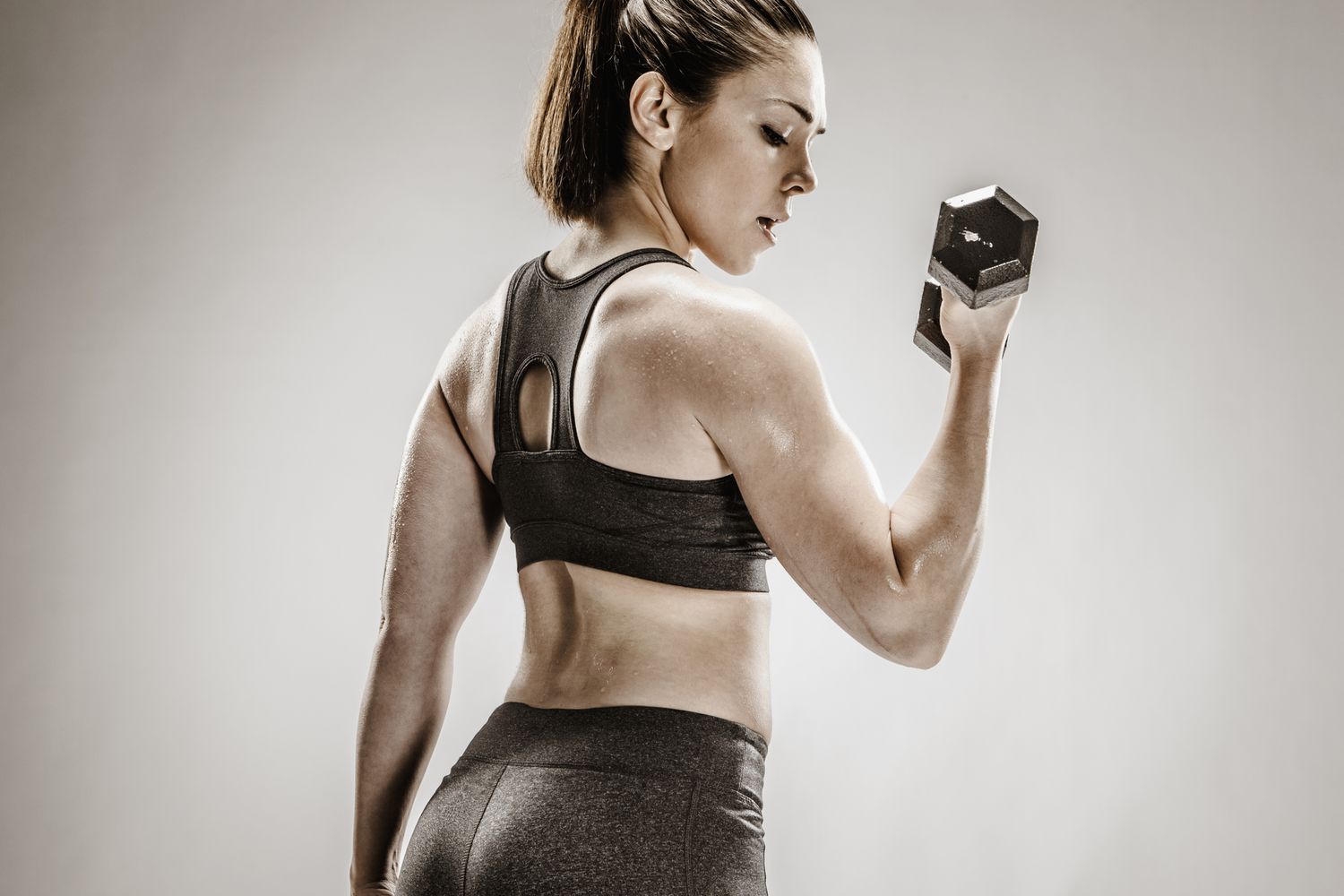
“Curl the arm and rotate the palm upward to train both major functions of the biceps.”
Choosing Biceps Exercises
| Exercise | Arm Position | Primary Training Focus |
|---|---|---|
| Incline dumbbell curl | Upper arm behind torso | Lengthened biceps position and long-head emphasis |
| Preacher curl | Upper arm in front of torso | Controlled curling and short-head emphasis |
| Standing dumbbell curl | Upper arm close to torso | Balanced general biceps development |
| Hammer curl | Neutral forearm position | Brachialis and brachioradialis development |
| Supinating curl | Palm rotates upward | Elbow flexion combined with forearm supination |
A Balanced Biceps Workout
Workout Structure
Execution Priorities
The number of exercises and sets should match your experience, weekly training volume and recovery. More exercises do not automatically create better growth.
Common Biceps Training Mistakes
Using Too Much Weight
Swinging the torso may move the weight, but it can reduce the controlled tension placed on the biceps.
Repeating One Curl
Using only one arm position may limit the variety of angles and muscles trained.
Ignoring Supination
Keeping the forearm neutral during every exercise misses one of the major functions of the biceps.
Comparing Muscle Shape
Another athlete’s insertions and structure cannot be recreated through exercise selection.
Training Without Progression
Muscle growth requires gradually improving resistance, repetitions, control or total workload.
Biceps Development Checklist
Conclusion
There is no miracle exercise that can rewrite your genetics. Your muscle insertions, limb lengths and basic biceps structure were determined before you entered the gym.
What you can control is how completely you develop the muscle you have. Use exercises that train the biceps from different arm positions, include supination and strengthen the muscles underneath and around the biceps.
Train consistently, progress gradually and judge your development against your own previous condition. Now it is time to put those principles into practice.
FAQs
Q1. Can exercise change the shape of my biceps?
Exercise can increase size and influence muscular proportions, but it cannot change your tendon insertions or basic anatomical structure.
Q2. Is the biceps peak genetic?
Genetics strongly influence the appearance of the peak, but increasing overall biceps development may make it more visible.
Q3. Which exercise targets the long head of the biceps?
Incline dumbbell curls and behind-the-body cable curls place the upper arm behind the torso and may increase long-head emphasis.
Q4. Which exercise targets the short head?
Preacher curls and concentration curls position the upper arm in front of the torso and may shift relative emphasis toward the short head.
Q5. Why should I perform hammer curls?
Hammer curls train elbow flexion with a neutral grip and help develop the brachialis and brachioradialis.
Sources & Important Guidance
- This article provides general guidance about biceps anatomy, exercise selection and resistance training.
- Exercise position may alter relative muscular emphasis, but it does not completely isolate one head of the biceps.
- Muscle shape and exercise performance vary according to individual anatomy, insertions, limb length and training history.
- Stop or modify any exercise that causes sharp elbow, shoulder or wrist pain, and seek qualified guidance when needed.