Joint Structure
The shape of a joint and contact between bones can create a natural limit that should not be forced.

Flexibility training should match your sport, physical structure and goals. Learn when to use static, dynamic, ballistic and contract-relax stretching safely.
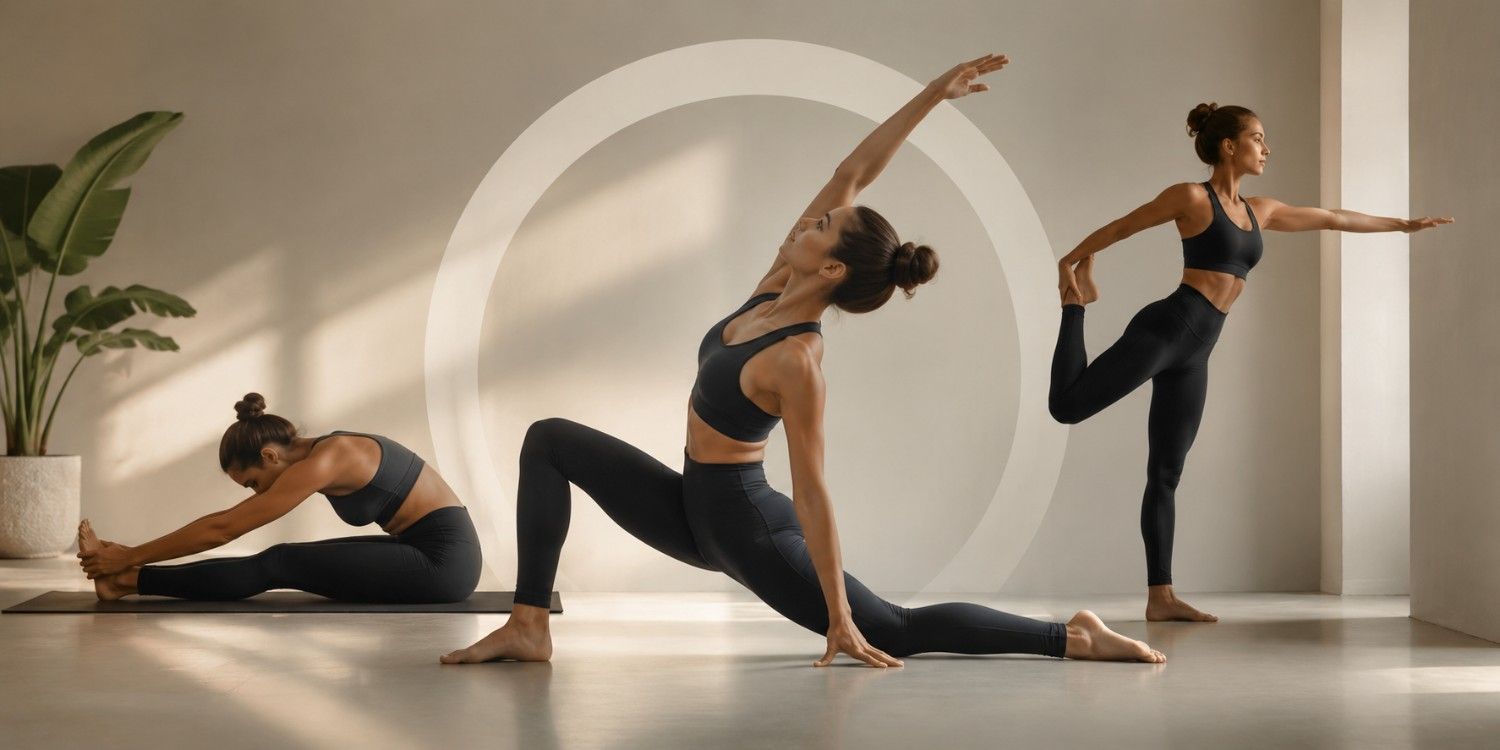
The way athletes train flexibility is often controversial. Classical dancers, gymnasts, runners, footballers and combat athletes may all use different methods because their sports demand different movements.
The most useful approach is not to copy one sport blindly, but to choose exercises according to your activity, current mobility, training schedule and physical limitations.
“The goal is not maximum flexibility—it is the right mobility for your body and your sport.”
The shape of a joint and contact between bones can create a natural limit that should not be forced.
Muscles, tendons, ligaments and joint capsules influence how far a joint can move comfortably.
The nervous system controls how much stretching tension it considers safe and tolerable.
Flexibility may decrease with age and inactivity, but regular mobility work can preserve or improve it.
Gentle mobility can be performed at almost any time, but demanding stretches are generally more comfortable after several minutes of light activity. A warm-up raises body temperature and prepares the joints and muscles for larger movements.
Before running, jumping, sprinting or heavy lifting, use movements that gradually resemble the upcoming activity. Longer static stretches are often better placed after training or in a separate flexibility session.
Regular stretching can improve flexibility and range of motion. However, research does not show that static stretching alone reliably prevents every type of sports injury.
Injury risk is also affected by training load, fatigue, strength, technique, previous injuries, playing surfaces, equipment and recovery. Stretching should therefore form one part of a complete preparation programme.
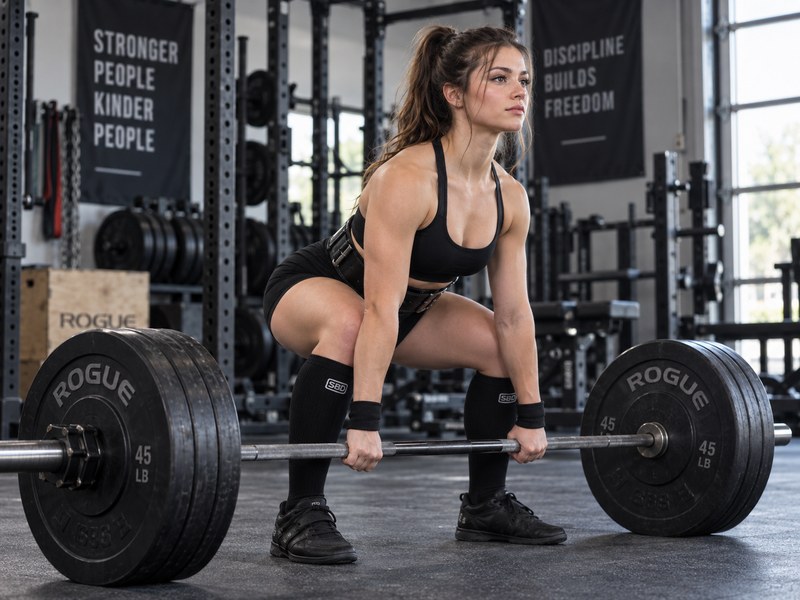
Strength training does not automatically reduce flexibility. Problems are more likely when an athlete repeatedly trains through a limited range and neglects movements outside that range.
A bodybuilder or strength athlete who uses controlled, full-range movements and includes mobility work can remain flexible. Resistance training can itself improve range of motion when exercises are performed appropriately.
| Activity | Typical Requirement | Useful Preparation |
|---|---|---|
| Dance and gymnastics | Large, controlled ranges of motion | Progressive warm-up, dynamic mobility and dedicated flexibility training |
| Boxing and martial arts | Rapid rotation, footwork and sport-specific mobility | Dynamic drills, controlled swings and technical movement |
| Football, rugby and basketball | Acceleration, deceleration and sudden directional changes | Running drills, mobility, strength and progressive high-speed movements |
| Running | Efficient movement through an individual functional range | Gradual running warm-up, dynamic drills and targeted mobility where needed |
Each technique has a different purpose. Some methods improve long-term flexibility, while others prepare the body for immediate movement.
Move slowly into a position and allow body weight, gravity or gentle assistance to maintain the stretch.
Best suited to: post-workout or dedicated flexibility sessions.Hold a position using the strength of your muscles without external assistance.
Best suited to: developing active control within an available range.Move joints repeatedly through a controlled range that gradually increases without bouncing violently.
Best suited to: preparation before training or competition.Combine a gentle muscle contraction with relaxation and a controlled increase in the stretch.
Best suited to: focused flexibility development with good technique.Use faster, momentum-driven movements such as forceful leg swings or repeated bouncing.
Best suited to: experienced athletes under appropriate coaching.Move slowly until you feel mild tension in the targeted area.
Keep breathing and avoid unnecessary tension in the surrounding muscles.
Maintain the stretch for approximately 10 to 30 seconds without bouncing.
Release gradually and repeat on both sides where appropriate.
Dynamic stretching prepares the body by combining mobility with active movement. Exercises should begin slowly and become more specific to the upcoming session.
Contract-relax stretching is commonly associated with proprioceptive neuromuscular facilitation. It combines a controlled stretch with a short isometric contraction.
Move into a mild, controlled stretching position.
Contract the targeted muscle gently for approximately six seconds.
Relax briefly without leaving the position suddenly.
Gently move into a slightly greater range without forcing it.
Ballistic methods use momentum, bouncing or forceful impulses to move into a larger range. Examples include powerful leg swings, arm swings and repeated bouncing movements.
These movements may be relevant to trained athletes whose sports require rapid, high-amplitude actions. They are not necessary for most beginners and should only follow an appropriate warm-up and technical progression.
| Method | Primary Purpose | Best Timing | Experience Level |
|---|---|---|---|
| Static | Improve or maintain range of motion | After training or separate sessions | Beginner to advanced |
| Dynamic | Prepare for active movement | Before exercise | Beginner to advanced |
| Contract-relax | Focused flexibility development | Separate or post-training sessions | Intermediate to advanced |
| Ballistic | Prepare for rapid sport-specific ranges | Late in a progressive warm-up | Advanced and coached |
Perform five to ten minutes of light activity followed by controlled, sport-specific dynamic movements.
Use gentle static stretches for the major muscles trained, without forcing painful positions.
Practise targeted static or contract-relax stretching two or more times per week according to your needs.
Hamstring stiffness may influence pelvic movement and contribute to discomfort in some people, but back pain rarely has one universal cause.
Strength, activity levels, lifting technique, prolonged sitting, sleep, injury history and medical conditions can also be involved. Persistent, severe or spreading pain should be assessed professionally.
Flexibility is a physical quality that responds to consistent training, but more range is not always better. Your goal should be enough mobility to move efficiently, safely and confidently.
Use dynamic movements before demanding exercise, place longer static stretches after training or in separate sessions, and reserve aggressive techniques for situations where they are genuinely required.
Use a progressive dynamic warm-up before most workouts. Long static stretches are generally better after exercise or in a separate session.
A controlled hold of approximately 10 to 30 seconds is suitable for many adults, although individual programmes may vary.
Stretching may feel relaxing, but evidence does not show that it reliably prevents delayed muscle soreness after exercise.
Yes. Strength exercises performed through an appropriate full range of motion can support or improve mobility.
Fast, momentum-driven stretching carries greater risk when performed without control or preparation. It is best reserved for experienced athletes with a specific need.
Do not aggressively stretch a recent injury. Follow the rehabilitation plan provided by a qualified healthcare or sports-medicine professional.