Stop
End the movement that caused the injury and avoid repeatedly testing the painful area.

An injury may interrupt your normal routine, but it does not always require complete inactivity. The right approach is to protect the injured area, train safely around it and follow a structured rehabilitation plan.
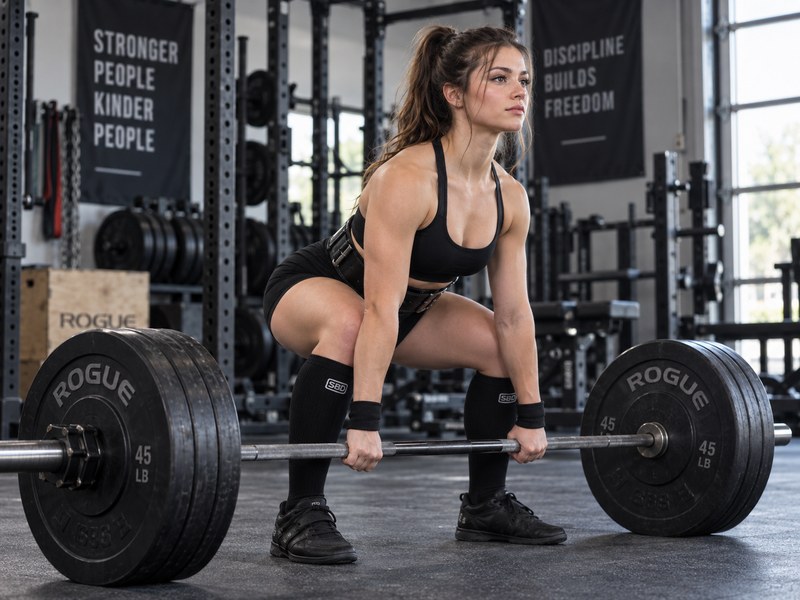
For an athlete, an injury can feel like a disaster. It may interrupt training, delay competition and create fears of losing strength, fitness or muscle.
Recovery does not always mean choosing between normal training and doing nothing. In many cases, the programme can be modified so that you remain active without placing unnecessary stress on the injured tissue.
“Do not ignore an injury, but do not allow it to erase every part of your training.”
Pain is a warning signal, not a challenge that must always be defeated. Sharp, increasing or unfamiliar pain may indicate that an exercise, movement range or resistance level is inappropriate.
Mild discomfort during rehabilitation may sometimes be acceptable, but the response should be defined by the professional managing your recovery. An exercise should not cause a major increase in symptoms, swelling or loss of function.
End the movement that caused the injury and avoid repeatedly testing the painful area.
Reduce activities that increase pain and protect the area from further impact or strain.
Wrapped cold therapy, compression or elevation may help with pain and swelling when appropriate.
Obtain professional advice when the injury is significant or the diagnosis is uncertain.
An isometric exercise creates muscular tension without visible movement at the joint. For example, you may press against an immovable surface or hold a controlled position.
When selected properly, an isometric contraction may stimulate a muscle while limiting movement through an injured or sensitive joint. These exercises can still be physically demanding and should not be treated as effortless substitutes.
May help maintain muscle activation, improve control and reintroduce resistance without large joint movements.
Strength improvements may be greatest near the joint angle used during the exercise.
The position, effort and duration must be appropriate for the specific injury and stage of recovery.
Place the joint in a comfortable and professionally approved position.
Build muscular tension gradually instead of producing a sudden maximum effort.
Maintain the contraction for the prescribed duration while breathing normally.
Stop when pain increases and monitor symptoms later in the day.
A recently injured muscle should not be loaded aggressively. Sprinting, heavy lifting, forceful stretching or repeatedly testing the painful movement may worsen the injury.
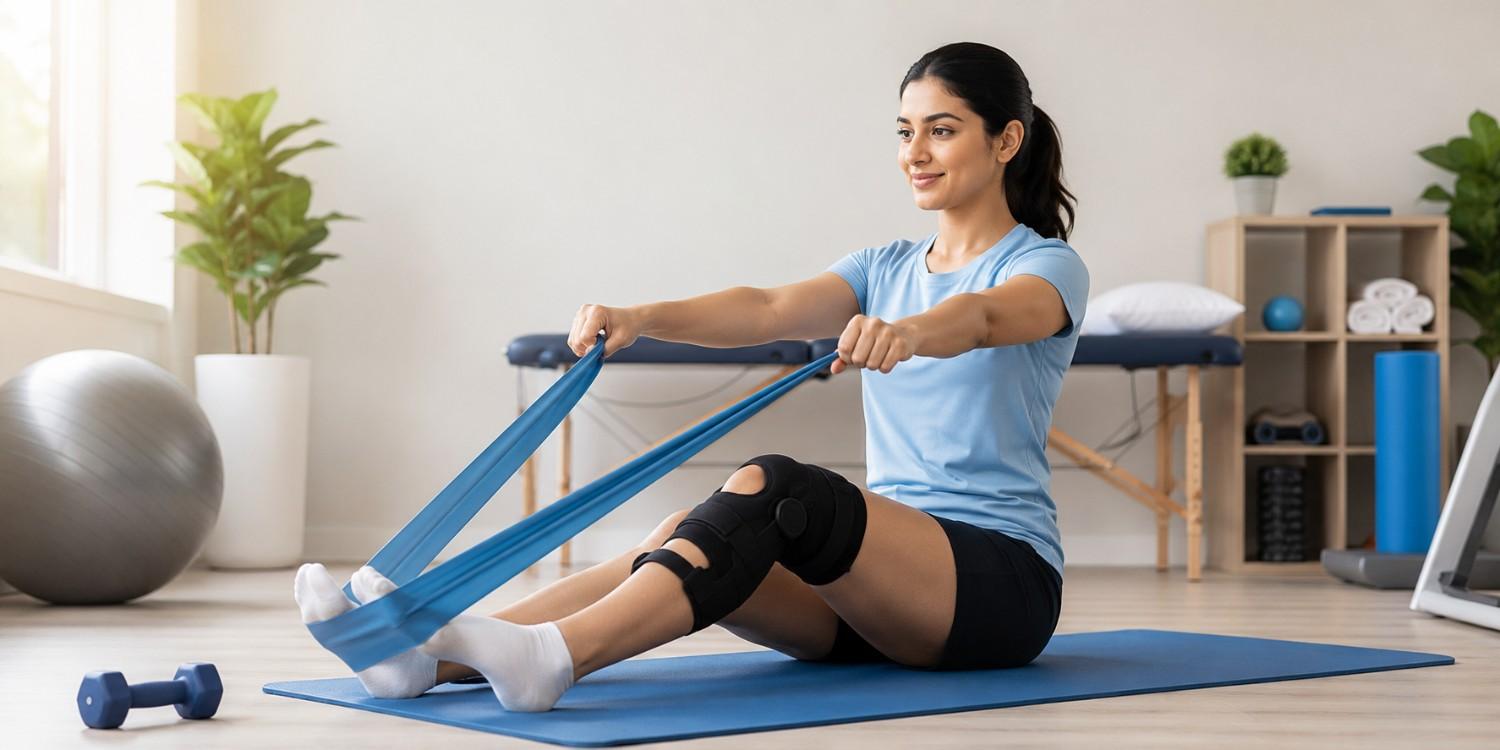
Rehabilitation normally progresses from symptom control and gentle movement to controlled loading, strengthening and sport-specific activity. The correct timing depends on the location and severity of the injury.
When one arm or leg cannot be trained normally, it may still be possible to exercise the opposite side. This can help maintain overall activity and preserve a sense of routine.
Unilateral training may also create a limited neurological carryover to the corresponding muscles on the untrained side. This effect is sometimes called cross-education, although it does not replace rehabilitation of the injured limb.
Temporary differences in strength or muscle size may develop during recovery. This is usually less important than protecting the injured tissue and maintaining as much safe physical capacity as possible.
Once the injured area is ready, a progressive rehabilitation programme can rebuild its strength, control and range of motion. Do not rush the weaker side with excessive weight merely to make both sides appear equal.
| Situation | Possible Adaptation | Main Precaution |
|---|---|---|
| Upper-body injury | Lower-body machines, walking or approved cycling | Avoid gripping, bracing or positions that aggravate the injury |
| Lower-body injury | Supported upper-body exercises and seated training | Do not compromise balance or place weight through the injured limb |
| One-sided injury | Controlled training of the healthy side | Prevent twisting, compensation and accidental loading |
| Reduced training capacity | Mobility, breathing, technique or neglected muscle groups | Keep every activity compatible with the recovery plan |
Neuromuscular electrical stimulation uses electrical impulses to produce or support muscular contractions. It may be included in certain rehabilitation programmes when normal muscle activation is limited.
It is not a universal shortcut to faster recovery. The value of electrical stimulation depends on the diagnosis, treatment goal, electrode placement, settings and professional supervision.
Reduce painful loading and establish the nature of the injury.
Reintroduce a comfortable range without forcing the injured tissue.
Progress from controlled contractions to increasingly functional resistance.
Add endurance, balance, speed or power according to your sport.
Resume normal training volume and intensity in planned stages.
An injury may create time to improve areas that are normally neglected. Depending on your limitations, you may be able to develop mobility, breathing control, balance, technique or muscles such as the calves and forearms.
The goal is not to train recklessly for the sake of staying busy. It is to preserve safe physical capacity while giving the injured tissue the conditions it needs to recover.
Do not become discouraged when an injury changes your programme. Protecting the injured area does not necessarily mean abandoning every form of exercise.
Stay attentive to pain, work with qualified professionals and train what can be trained safely. Do not ignore the injury—adapt to it.
“Recovery is not inactivity. It is training with a different purpose.”
Not always. You may be able to train unaffected areas or perform modified exercises, provided the activity does not aggravate the injury.
It is a muscular contraction performed without visible joint movement, such as pressing against an immovable surface or holding a position.
It may be appropriate when the setup does not stress the injury. Unilateral training can preserve strength and may provide limited carryover to the untrained side.
Wrapped cold therapy may temporarily reduce pain for some acute injuries. It should not be applied directly to the skin or used as a substitute for assessment when symptoms are severe.
It may support muscle activation in selected rehabilitation programmes, but its effectiveness depends on the condition and how it is used.
Return when movement, strength and sport-specific capacity have recovered sufficiently and the injured area tolerates progressively greater loads without a significant symptom increase.