Daily Multivitamin Buying Guide for Indian Consumers: What to Read, Verify, and Ignore
Choosing a daily multivitamin should be less about the biggest ingredient list and more about what the label reveals: nutrient forms, dosages, serving size, manufacturing details, FSSAI information, testing and authenticity.
Key Takeaways
The Bottle Front Is Only the Beginning
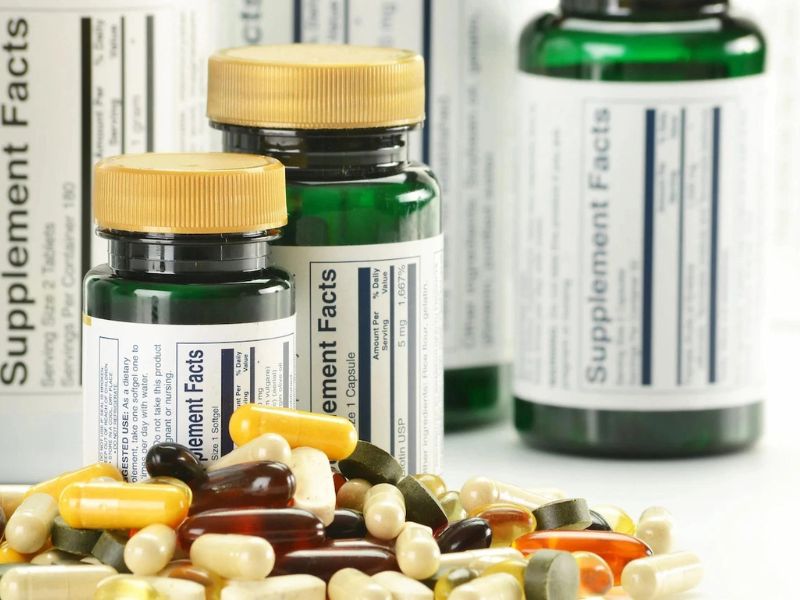
A multivitamin can look impressive in three seconds. One bottle promises “complete daily nutrition.” Another lists 30-plus vitamins and minerals. A third talks about maximum potency or advanced absorption.
Then you turn the bottle around. That is where the real comparison begins.
For Indian consumers, the point of a multivitamin buying guide is not to tell you which bottle to buy. It is to make you harder to fool.
Start With the Back Label
If you are wondering how to choose a multivitamin, begin with serving size and the nutrition panel.
“60 tablets” can mean 60 days or 30, depending on whether one or two tablets make a serving. Then check nutrient amounts and the “other ingredients” section.
NIH guidance recommends looking at active ingredients, amounts per serving and other ingredients — and notes that more is not automatically better.
Nutrient Forms Matter — But Fancy Names Aren’t Magic
When comparing bioavailable vitamins and minerals, the useful question is not whether the ingredient name sounds advanced. It is whether the form is clearly disclosed, sensibly dosed and chosen for a credible reason.
| Nutrient | Common forms | What the source says |
|---|---|---|
| Vitamin D | D2 or D3 | NIH notes that D3 generally raises blood vitamin D levels more effectively and maintains them longer than D2. |
| Vitamin B12 | Cyanocobalamin or methylcobalamin | NIH does not find evidence that absorption rates differ by supplemental B12 form. |
| Folate | Folic acid or 5-MTHF | NIH reports that supplemental 5-MTHF has bioavailability comparable to or greater than folic acid. |
Is the form clearly disclosed? Is the dosage sensible? Is there a credible reason for choosing that form?
Minerals Need the Same Scrutiny
Look at mineral form, elemental amount and serving size — not just how many minerals appear on the label.
Calcium and magnesium can come in different forms. A targeted product such as QNT Calcium Magnesium D3 can therefore be considered separately from a broader daily formula.
FSSAI Compliance Is a Checkpoint, Not a Quality Trophy
Indian buyers often search for FSSAI approved supplements for reassurance. That makes sense, but compliance should be understood correctly.
FSSAI regulates health supplements and nutraceuticals under applicable regulations, including requirements around labelling, nutrient declarations and claims. FSSAI also provides systems through which consumers can verify licensed or registered Food Business Operators, including the FoSCoS and Food Safety Connect ecosystem.
Regulatory compliance and voluntary quality certifications are different things. A licence is not a magic quality trophy.
Third-Party Testing: Ask What Was Actually Tested
“Lab tested” sounds reassuring. It is also incomplete.
NIH notes that independent quality programmes can assess whether supplements contain listed ingredients and avoid harmful contaminant levels, while stressing that quality seals do not guarantee safety or effectiveness.
How Can I Identify an Authentic Multivitamin?
Before purchasing, especially online, check the product, seller and packaging rather than relying only on the listing title.
These checks matter when comparing authentic multivitamin supplements across marketplaces where several sellers may offer the same product.
Where QNT Fits Into the Same Checklist
QNT Daily Vitamins & Authentication
QNT provides product-authentication resources, while its official India store is the appropriate starting point for QNT purchases. Its Daily Vitamins category can then be judged using the same checklist you would apply to any brand.
Are All Multivitamins the Same?
No. Two products can contain many of the same vitamins yet differ in forms, dosages, mineral sources, serving size, additives, manufacturing controls and testing.
| Factor | What to compare |
|---|---|
| Nutrient forms | Which specific forms of vitamins and minerals are disclosed? |
| Dosages | How much of each nutrient does the stated serving provide? |
| Serving size | Is one serving one tablet, two tablets or more? |
| Additives | What appears in the other ingredients section? |
| Quality controls | What manufacturing, regulatory and testing information can be verified? |
Think of two cars with similar feature lists. The specification sheet tells you what is included; it does not tell you everything about how well the whole thing has been built.
Learn to Walk Away From Loud Claims
A good multivitamin should support nutritional adequacy, not promise to replace a balanced diet, cure disease, “detox” the body completely or guarantee dramatic weight loss.
If the marketing is doing all the talking and the label gives you very little to verify, pause.
The 60-Second Multivitamin Buying Checklist
Is every active ingredient disclosed?
Do you know which forms you are getting?
Are the amounts sensible?
How many tablets make one serving?
Can quality claims be verified?
Is the licence information visible and traceable?
Is the seller authorised? Are the batch and seal intact?
Can you identify the manufacturer or importer?
Are the promises realistic?
What does a genuine daily serving cost?
That is how to choose a multivitamin without getting distracted by the shiny part of the bottle.
Final Thought
You do not need to become a nutrition scientist to buy supplements intelligently. You just need to slow down for a minute.
Read the back label. Check the form and dose. Verify the FSSAI information. Look at who sold the product. If testing is claimed, find out what was tested. If something feels unusually vague, walk away.
The best multivitamin is not necessarily the one making the biggest promise. It is the one that gives you enough information to make your own decision with confidence.
Frequently Asked Questions
Sources & References
- FSSAI — Food Safety & Standards Regulations
- FoSCoS — FSSAI Food Safety Compliance System for licence and registration verification
- NIH Office of Dietary Supplements — Dietary Supplements: What You Need to Know
- NIH Office of Dietary Supplements — Vitamin D
- NIH Office of Dietary Supplements — Vitamin B12
- NIH Office of Dietary Supplements — Folate
- QNT — Product Authentication / Quality & Authenticity Guidance