What Really Happens to Your Body If You Take Too Much Whey Protein Every Day?
Whey protein is generally safe for healthy adults, but excessive intake can cause digestive discomfort, displace balanced meals and create an unnecessary nutritional imbalance.
Key Takeaways

Protein Has Gone Mainstream
Protein shakes are no longer limited to serious bodybuilders. They now appear on office desks, in college backpacks, at airports and in homes where nobody follows an intensive training program.
In India, this shift has happened quickly. People who previously never tracked protein are now discussing macros, scoop counts and daily targets in gyms, offices and social groups.
This greater interest in protein can be positive. The problem begins when people assume that if some protein is beneficial, increasingly larger amounts must produce increasingly better results.
“There is an important difference between a high-protein diet and consuming more protein than your body and lifestyle require.”
Whey Protein Is Not Usually the Problem
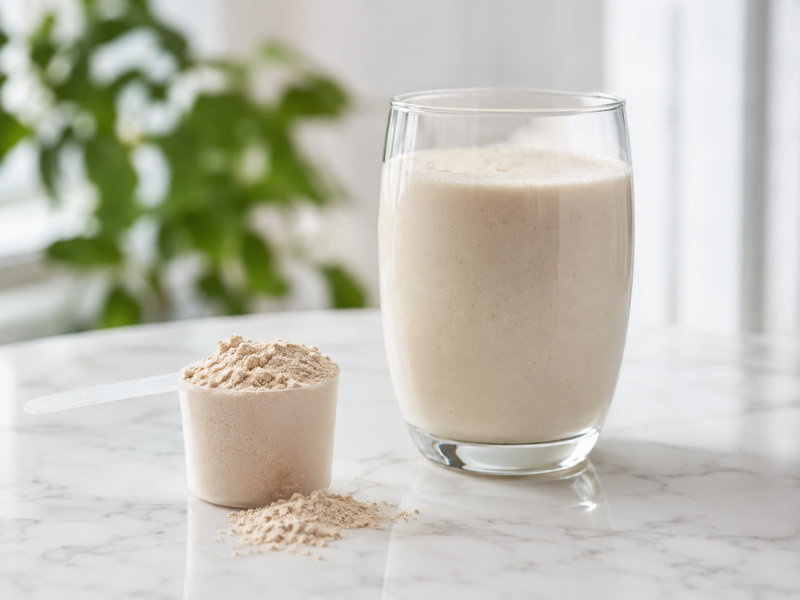
Whey is one of the most widely studied supplements in sports nutrition. When used appropriately, it can support protein intake, muscle recovery, lean-mass retention and satiety.
How Much Protein Per Day Is Reasonable?
Protein requirements vary according to body weight, age, activity level, training intensity and goals. A frequently used range for active adults is approximately 1.2–2.0 grams per kilogram of body weight per day.
For a person weighing 70 kg, that would equal approximately 84–140 grams of total protein per day. This includes every dietary source, not only whey protein.
| Daily source | Examples | What to remember |
|---|---|---|
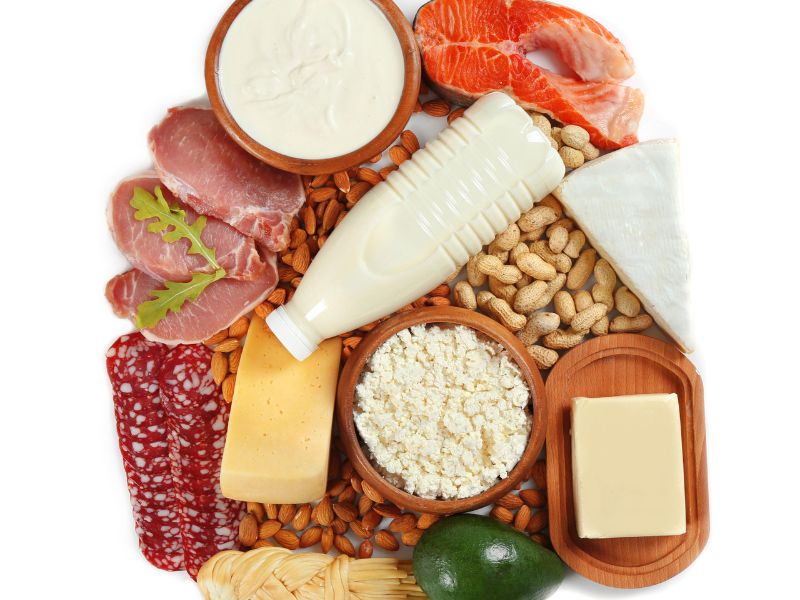
| Regular meals | Dal, paneer, eggs, dairy, meat, soy and legumes | These often provide more protein than people realise. |
| Protein shakes | Whey concentrate or isolate | Count every scoop toward your total target. |
| Protein snacks | Bars, cookies, yoghurts and packaged snacks | Check calories, sugar and fat as well as protein. |
| Fortified drinks | Protein coffee, smoothies and ready-to-drink products | These can make intake accumulate quickly. |
Calculate your approximate protein intake from food before deciding how many scoops of whey protein you need.
Common Signs You May Be Taking Too Much
Online discussions often focus immediately on kidney damage, but the earliest and most common warning signs are usually digestive.
Whey Concentrate, Lactose and Digestion
Some digestive symptoms may come from lactose rather than protein itself. Whey concentrate normally contains more residual lactose than whey isolate, which can make it harder to tolerate for sensitive individuals.
An isolate-based product such as QNT Whey Protein Isolate may feel lighter because more lactose, fat and carbohydrate have been removed during filtration. However, even a highly filtered formula can feel excessive when total intake is unnecessarily high.
Changing protein powder may improve ingredient tolerance, but it will not solve problems caused by consuming more total protein or calories than you need.
Protein Digestion Depends on Your Lifestyle
The body does not process protein in isolation. Training frequency, hydration, sleep, fibre intake, food quality and overall activity all affect how a high-protein diet feels in daily life.
| Supportive habits | Potentially problematic habits |
|---|---|
| Regular resistance training | Little physical activity |
| Adequate daily hydration | Very low water intake |
| Vegetables, fruit and fibre-rich foods | Shakes with very little fibre |
| Balanced meals | Frequently replacing meals with supplements |
| Consistent sleep and recovery | Poor sleep and inadequate recovery |
“Three protein shakes with adequate water, fibre and balanced meals are not nutritionally equivalent to three shakes in a dehydrated, supplement-heavy diet.”
Can Too Much Whey Protein Damage Your Kidneys?
For healthy individuals with normal kidney function, current evidence does not establish that appropriately managed higher-protein diets directly cause kidney damage.
Protein metabolism can increase the kidneys’ filtration workload. This is a normal physiological response and is not automatically evidence of injury.
The situation is different for people who already have kidney disease, impaired kidney function or certain metabolic conditions. These individuals should not substantially increase protein intake without qualified medical guidance.
Seek medical advice before increasing protein intake if you have kidney disease, abnormal kidney test results, a related medical condition or unexplained persistent symptoms.
When Whey Starts Replacing Real Food
One of the biggest risks of excessive whey intake is not the protein powder itself but the gradual disappearance of complete meals.
Over time, this pattern may contribute to low energy, stronger cravings, inconsistent digestion and poorer recovery. Whey protein should make a balanced diet more convenient, not replace the diet itself.
Using Whey Protein More Intelligently
QNT Whey Protein Range
Whey protein can help busy professionals, active adults and gym-goers fill genuine protein gaps. The appropriate product and serving amount should reflect your diet, digestion, activity level and daily protein target.
Aim for Effective Protein, Not Maximum Protein
Modern fitness culture often rewards escalation: more protein, more supplements and more optimisation. The body usually responds better to consistency than to unnecessary extremes.
- Consume an appropriate amount of protein.
- Maintain balanced meals and food variety.
- Include adequate fibre and healthy fats.
- Choose supplements according to genuine dietary gaps.
- Stay consistently active.
- Include regular strength training.
- Drink sufficient water throughout the day.
- Prioritise sleep and recovery.
- Read the serving size and nutrition label.
- Track protein from every source.
- Reduce intake if digestion becomes uncomfortable.
- Do not copy another person’s scoop count.
What to Do If You Feel Unwell
Frequently Asked Questions
The Bottom Line
For healthy individuals, whey protein is generally safe when used according to personal nutritional needs. Problems are more likely when intake becomes excessive, hydration is ignored or shakes begin replacing balanced meals.
The early warning signs are often ordinary: heaviness after shakes, bloating, constipation, inconsistent digestion or the sense that your diet has become overly dependent on supplements.
Whey protein works best when it supports an already balanced routine built around appropriate meals, adequate hydration, regular movement, strength training and recovery.
Sources & References
- Harvard T.H. Chan School of Public Health — Protein overview.
- PubMed — Research examining high-protein diets in healthy resistance-trained individuals.
- International Society of Sports Nutrition — Position stand on protein and exercise.
- Mayo Clinic — Guidance on protein shakes and weight management.
- QNT Sports India — Brand and product information for the QNT whey protein range.