Key Takeaways
Do You Need Protein Shakes and Whole Foods?
Protein is essential for muscle repair, strength, recovery and the maintenance of healthy body tissues. However, increasing protein intake does not require choosing between supplements and natural foods.
A balanced approach is usually more practical. Use whole foods for everyday nutrition, then use protein shakes when they solve a genuine convenience or intake problem.
What Counts as a Whole-Food Protein Source?
Whole-food protein comes from foods eaten as part of regular meals or snacks. These foods may also supply B vitamins, iron, zinc, magnesium, vitamin E, fibre, carbohydrates or healthy fats.
Dairy and Eggs
Eggs, milk, yoghurt and paneer provide complete protein alongside other nutrients.
Meat and Fish
Fish, poultry and lean meat offer concentrated protein and essential amino acids.
Pulses and Legumes
Lentils, beans, chickpeas and peas provide protein, fibre and carbohydrates.
Soy Foods
Tofu, tempeh and other soy products are useful protein choices for vegetarian diets.
Nuts and Seeds
Nuts, seeds and nut butters provide protein together with energy-dense healthy fats.
Food Combinations
Combining grains and legumes across the day can help vegetarian diets provide all essential amino acids.
What Is a Protein Shake?
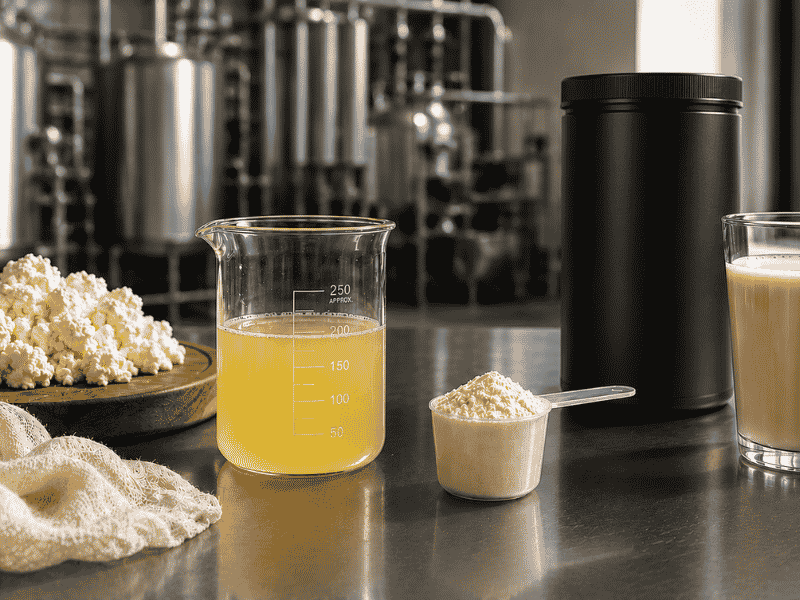
A protein shake is usually made by mixing protein powder with water, milk or another beverage. It provides a concentrated amount of protein without requiring the preparation of a complete meal.
Protein Shakes vs Whole Foods
| Factor | Whole Foods | Protein Shakes |
|---|---|---|
| Nutrition | Protein plus additional nutrients | Primarily concentrated protein |
| Convenience | May require planning and preparation | Quick to mix and consume |
| Fullness | Often more filling due to volume and texture | Liquid calories may feel less satisfying |
| Digestion | Varies according to the food and meal | Usually simple and convenient to digest |
| Cost | Varies by food and location | Can be cost-effective per protein serving |
| Best Use | Main meals and everyday nutrition | Filling protein gaps conveniently |
“Protein shakes are useful when they solve a real nutrition problem—not because they are automatically better than food.”
Are Protein Shakes Necessary for Muscle Growth?
No. You can build muscle without protein powder. Resistance training creates the stimulus for growth, while adequate protein supplies the amino acids needed for repair and adaptation.
Research suggests that protein supplements can modestly improve muscle and strength gains when they help a person reach an adequate total intake. Benefits for fat-free mass did not continue increasing beyond approximately 1.6 grams of protein per kilogram of body weight per day in a large meta-analysis.
When Can a Protein Shake Be Helpful?
Meet Your Target
Useful when low appetite, limited options or a busy schedule makes food intake difficult.
Post-Workout Convenience
Provides protein when a complete meal is not immediately available after training.
Manage Calories
Offers a predictable serving of protein, although total shake calories still matter.
Support Vegetarian Diets
Whey, soy or plant blends can increase protein without adding large meal volumes.
Travel Easily
Protein powder is portable and often easier to manage than carrying cooked foods.
Can Protein Shakes Replace Meals?
A basic protein shake should not regularly replace a complete meal. Protein powder supplies amino acids, but a balanced meal may also provide fibre, carbohydrates, healthy fats, vitamins and minerals.
- Protein powder
- Water or milk
- Quick and convenient
- Protein powder with fruit or oats
- Milk, yoghurt, seeds or nut butter
- More balanced, but also higher in calories
How to Choose a Protein Powder
- ✓ Protein provided per serving
- ✓ Serving size and total calories
- ✓ Added sugar and carbohydrate content
- ✓ Full ingredient and allergen list
- ✓ Independent quality or banned-substance testing
- ✓ Suitability for your digestion and diet
Frequently Asked Questions
Is protein powder better than natural food?
No. Protein powder is more convenient, but whole foods generally provide a wider range of nutrients. Powder is most useful as a supplement to a balanced diet.
Can I drink a protein shake every day?
A daily shake may fit a healthy diet when it helps meet protein needs and does not replace essential whole foods. The complete diet matters more than the frequency of one product.
Is whey protein considered real protein?
Yes. Whey is a milk-derived protein containing all essential amino acids. It is processed into powder for convenience, but the protein remains nutritionally useful.
Should I drink a protein shake immediately after exercise?
You do not need to consume it within minutes. Total daily protein and regular distribution are more important. Quality protein can be consumed within roughly two hours after exercise.
Can protein shakes help with weight loss?
They may help when they support fullness, muscle retention and controlled calorie intake. Adding a shake without adjusting the rest of the diet may increase total calories.
Do beginners need protein supplements?
Most beginners do not need them automatically. Evaluate your meals first, then add a supplement only when food intake does not consistently meet your needs.
Final Verdict
You do not have to choose between protein shakes and whole foods. Whole foods should remain the primary source of nutrition, while shakes can provide speed, convenience and a reliable protein serving when meals fall short.
Build most meals around nutrient-dense foods, determine a realistic protein requirement and use a shake where it improves consistency. The best protein plan is one that supports your training, digestion, lifestyle and long-term health without making nutrition unnecessarily complicated.
References
- USDA MyPlate guidance on protein foods and nutrient-dense eating patterns.
- National Institutes of Health guidance on protein, amino acids and athletic performance.
- Systematic review and meta-analysis of protein supplementation during resistance training.
- Dietary Guidelines for Americans on whole, nutrient-dense foods.
- U.S. Food and Drug Administration consumer guidance on dietary supplements.