Training, Nutrition and Mistakes to Avoid for Maximum Performance in Soccer
Improve endurance, speed, strength, recovery and match-day performance with a balanced football training and nutrition strategy adapted to your position.
Key Takeaways

The Foundations of Effective Soccer Training
Football is a demanding sport that combines prolonged movement with repeated periods of sprinting, physical contact, rapid decision-making and technical execution.
Players must maintain endurance across 90 minutes while remaining explosive enough to accelerate, change direction, contest the ball and respond to unpredictable match situations.
An effective program must therefore develop endurance, speed, agility, strength, power, mobility and recovery in a balanced way.
“Football performance depends on more than fitness alone. The best players combine physical preparation, technical ability, recovery and intelligent nutrition.”
Understand the Physical Demands of Football
Endurance
A player may cover approximately 8–12 kilometres during a match and must sustain performance throughout 90 minutes.
Speed and explosiveness
Short sprints are essential for chasing opponents, reaching passes, creating space and attacking the goal.
Agility
Players must change direction quickly while maintaining balance, ball control and awareness.
Strength and power
Strong legs and a stable torso support physical duels, jumping, powerful shots and overall movement control.
Recovery ability
Players must recover quickly between repeated high-intensity actions and between matches.
Injury resilience
Mobility, strength and workload management help the body tolerate impact and repetitive movement.
Develop Endurance and General Fitness
Endurance allows players to maintain movement quality, concentration and technical performance throughout a match.
Improve Speed, Agility and Explosiveness
Short sprints
Use repeated 10–30 metre sprints with enough recovery to preserve speed and technique.
Plyometric work
Jumps, hops and hill sprints can develop force production and lower-body explosiveness.
Agility drills
Use cones, hurdles and reaction cues to practise rapid changes of direction and balance.
Position-specific movement
Match sprint patterns and reaction drills to the movements required in your position.
Football-Specific Strength Training
Leg strength
Squats, lunges, calf raises and leg presses develop the quadriceps, hamstrings, glutes and calves.
Core stability
Planks, controlled crunches and torso rotations support balance, force transfer and stability.
Functional movements
Use light resistance or bands to strengthen patterns related to passing, shooting and rapid movement.
Joint preparation
Include mobility and strengthening work for the knees, ankles and hips to improve resilience.
Warm-Up and Recovery
Plan Your Training Around Your Position
Every position has a different physical, technical and tactical profile. Training should reflect the actions you perform most often during a match.
Explosive, Accurate and Unpredictable
- Practise finishing from distance, inside the box, from crosses, headers and volleys.
- Train acceleration, repeated sprints and reactions to through balls.
- Develop feints, dribbling and rapid one-on-one changes of direction.
- Use intermittent sprint training to maintain attacking intensity.
Endurance, Control and Decision-Making
- Combine long-duration endurance work with repeated intermittent sprints.
- Practise short and long passing under pressure.
- Use rondos, positional play and small-space possession drills.
- Train tackling, interceptions and ball protection.
Strength, Positioning and Reaction
- Develop leg and core strength for aerial and ground duels.
- Use cone drills and reaction sprints to track attackers.
- Practise positioning, marking, anticipation and communication.
- Improve short passing, long passing and clearances under pressure.
Reflexes, Mobility and Distribution
- Practise saves from different distances, speeds and angles.
- Develop timing and positioning for crosses and aerial balls.
- Train accurate kicking, throwing and short build-up play.
- Use agility, core and reaction drills to maintain goal-line mobility.
- Simulate decisions such as leaving the line or organising the defence.
Nutrition Foundations for Football Performance
Football combines aerobic and anaerobic effort. Nutrition must provide enough energy for repeated high-intensity activity while supporting recovery between sessions.
Carbohydrates
Whole grains, rice, pasta, oats, sweet potatoes and starchy vegetables help maintain glycogen and match-day energy.
Protein
Chicken, fish, eggs, tofu, dairy and legumes support muscle repair, growth and seasonal strength.
Healthy fats
Avocados, nuts, seeds and vegetable oils provide sustained energy and support cellular and hormonal functions.
Vitamins and minerals
Iron, calcium, vitamin D, magnesium and potassium support oxygen transport, bones and muscle function.
Antioxidant-rich foods
Berries, citrus fruits, spinach, vegetables and nuts support a varied recovery-focused diet.
Fluids and electrolytes
Water and suitable electrolyte drinks help replace fluid and minerals lost through sweat.
What to Eat Before a Match or Intense Training
3–4 hours before
Eat a balanced carbohydrate-rich meal with lean protein and a moderate amount of fat.
30–60 minutes before
Choose an easily digested carbohydrate snack such as a banana, yoghurt with honey or a light energy bar.
Hydrate gradually
Drink regularly in the hours before the match instead of consuming excessive fluid immediately before kick-off.
Post-Match Nutrition for Recovery
| Timing | Nutrition priority | Example |
|---|---|---|
| First 30–60 minutes | Carbohydrates and protein | Banana, milk or yoghurt and oatmeal smoothie |
| Within two hours | Complete recovery meal | Chicken with quinoa and vegetables or an omelette with whole-wheat bread |
| After heavy sweating | Water and electrolytes | Water with a suitable electrolyte drink when required |
| Later meals | Varied whole foods | Vegetables, fruit, lean protein, healthy fats and complex carbohydrates |
The supplied guidance recommends an approximate 3:1 carbohydrate-to-protein ratio during early recovery to replenish glycogen while supporting muscle repair.
Hydration Across the Full 90 Minutes
Adapt Nutrition to Your Football Goal
Building Muscle Without Losing Performance
- Use a moderate calorie surplus of approximately 250–500 calories per day.
- Consume around 1.6–2.2 g of protein per kilogram of body weight daily.
- Include carbohydrates around training to support energy and recovery.
- Consume healthy fats for cellular and hormonal functions.
- Distribute protein across meals and snacks.
Improving Endurance on the Field
- Include complex carbohydrates with regular meals.
- Use quick carbohydrates during prolonged sessions when appropriate.
- Consume protein after training to support muscle repair.
- Maintain water and electrolyte intake.
- Include fruit and vegetables as part of a varied recovery diet.
Common Supplements Used by Football Players
| Supplement | Potential role | Practical consideration |
|---|---|---|
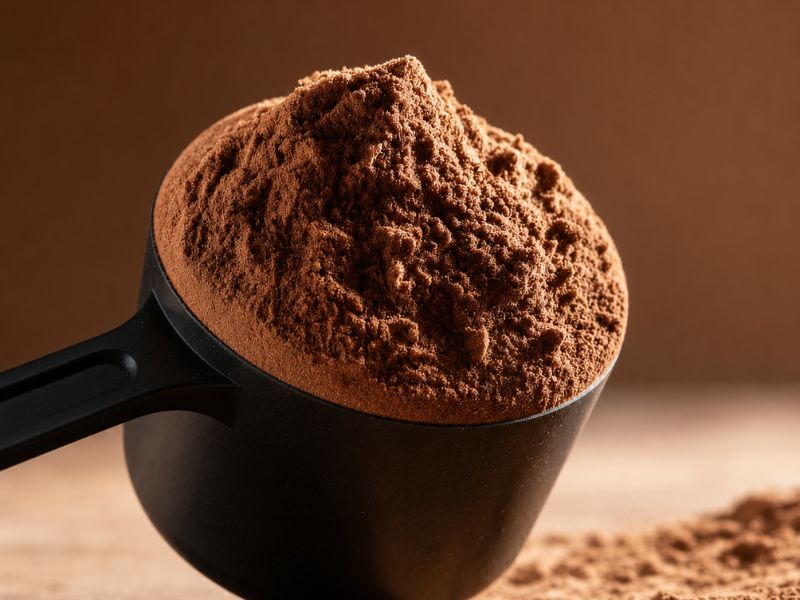
| Protein powder | Supports convenient protein intake and muscle recovery | Use to fill dietary gaps rather than replace balanced meals |
| BCAAs | Included in recovery-focused supplementation | Overall daily protein intake remains important |
| Creatine | Supports repeated explosive efforts, strength and power | May be relevant for sprinting, jumping and physical duels |
| Omega-3 | Supports general cardiovascular and dietary fat intake | Can also be obtained from fish and selected plant foods |
| Multivitamin | May help address specific dietary gaps | Should not replace a varied diet |
| Glucosamine and chondroitin | Commonly used in joint-support routines | Suitability should be assessed individually |
Common Nutrition Mistakes
Restricting carbohydrates
Insufficient carbohydrate intake can reduce glycogen availability, endurance and repeated-sprint performance.
Under-consuming protein
Inadequate protein can limit muscle repair and recovery between training sessions.
Ignoring micronutrients
Poor iron, calcium, magnesium or vitamin intake may affect energy, bones and muscle function.
Following an unbalanced diet
Training demands a varied intake of carbohydrates, protein, healthy fats, fruits and vegetables.
Overtraining: Signs and Prevention
Warning Signs
- Persistent fatigue despite normal rest
- Unexplained decline in speed, strength or endurance
- Recurring muscle, joint or tendon pain
- Disturbed sleep or poor sleep quality
- Irritability and declining motivation
Prevention Checklist
- Schedule complete rest and active recovery days.
- Alternate demanding sessions with lighter training.
- Reduce intensity when unusual fatigue or pain appears.
- Monitor workload, heart rate and performance trends.
- Protect sleep, hydration and daily energy intake.
Pre-Match Meal Mistakes to Avoid
Football Performance Checklist
✔ Training
- Combine endurance, speed, agility and strength.
- Include technical work under pressure.
- Adapt drills to your playing position.
- Increase workload progressively.
✔ Nutrition
- Consume enough carbohydrates for training demands.
- Include quality protein throughout the day.
- Eat a varied range of nutritious foods.
- Test match-day meals before competition.
✔ Recovery
- Replace fluids after matches and training.
- Consume carbohydrates and protein after exercise.
- Schedule rest and lighter training days.
- Respond early to persistent fatigue or pain.
Frequently Asked Questions
What physical qualities are most important in football?
Football requires endurance, repeated-sprint ability, acceleration, agility, strength, power, balance and the ability to recover between intense actions.
How should football players train endurance?
Combine moderate aerobic sessions, interval running and high-intensity small-sided games to develop both general and football-specific fitness.
What should a football player eat before a match?
Eat a carbohydrate-rich balanced meal approximately three to four hours before playing, followed by a light, easily digested snack when needed.
What should players consume after a match?
Prioritise carbohydrates, protein and fluid soon after playing, followed by a balanced meal within approximately two hours.
How much protein do footballers need for muscle gain?
The supplied guide recommends approximately 1.6–2.2 grams per kilogram of body weight daily during a muscle-building phase.
Are protein powders useful for football players?
They can provide a convenient source of protein after training or when dietary intake falls short, but they should support rather than replace balanced meals.
How can players reduce overtraining risk?
Use planned rest days, vary training intensity, monitor workload and respond early to persistent fatigue, pain, poor sleep or declining performance.
The Bottom Line
Maximum football performance comes from combining physical preparation with technical training, position-specific practice, balanced nutrition and consistent recovery.
Train endurance without neglecting speed. Build strength without creating unnecessary fatigue. Fuel demanding sessions with carbohydrates and support muscle repair with adequate protein.
Most importantly, avoid the mistakes that quietly reduce performance: unbalanced diets, inadequate hydration, poorly timed meals, excessive training and ignoring persistent fatigue or pain.
References & Training Notes
- Original football training and nutrition guidance supplied by QNT.
- Training volume should be adapted to age, experience, playing schedule and injury history.
- Nutrition and fluid requirements vary according to body size, climate, match intensity and individual tolerance.
- Persistent pain, dizziness, unusual fatigue or recurring injuries should be assessed by a qualified professional.
- Supplement suitability should be confirmed using current product labels and applicable sporting regulations.