Key Takeaways
Understanding Both Sides of Competitive Sport
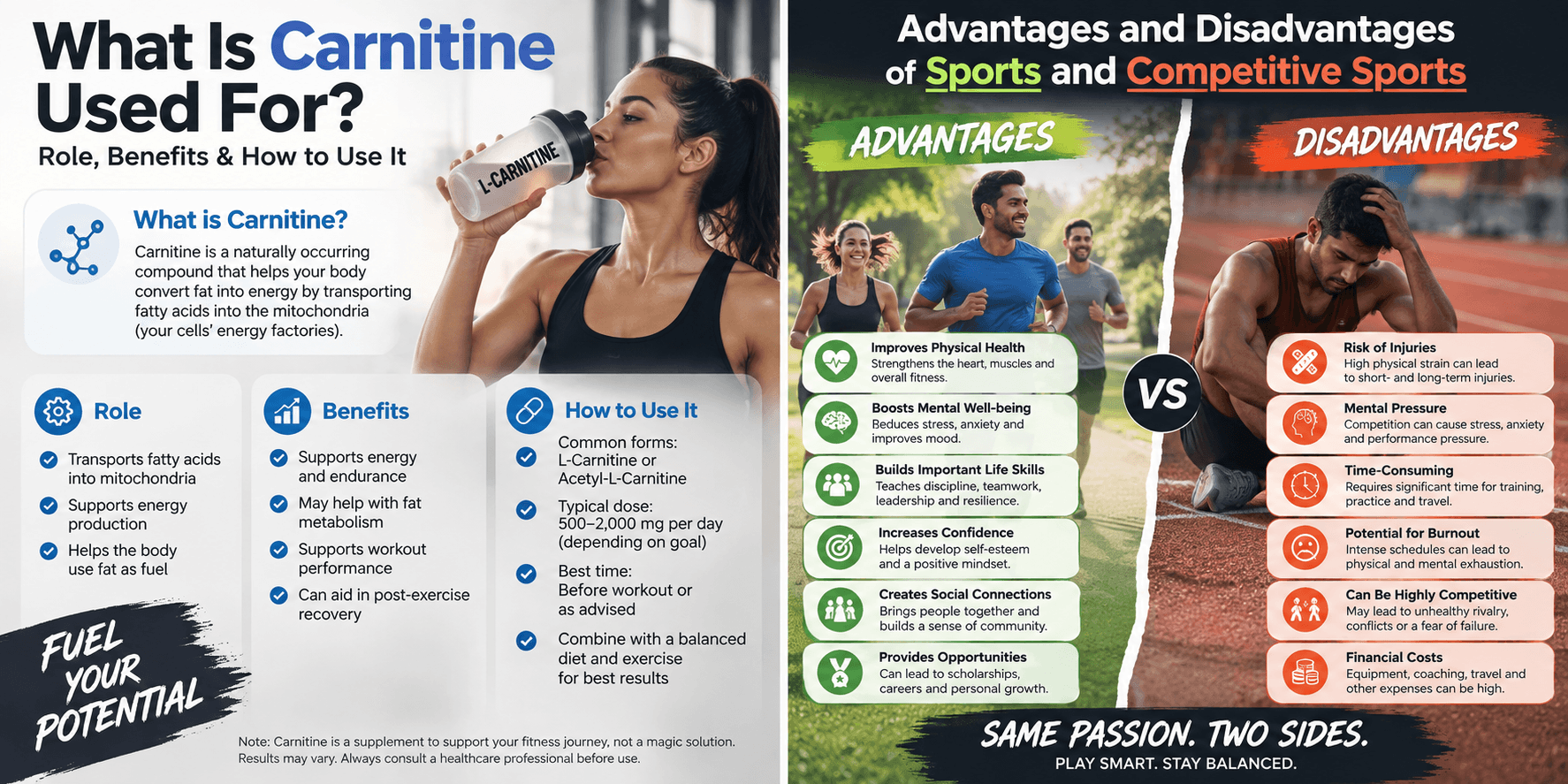
Sport can improve physical fitness, emotional well-being, confidence and social connection. It can also teach discipline, teamwork, leadership and the ability to recover from setbacks.
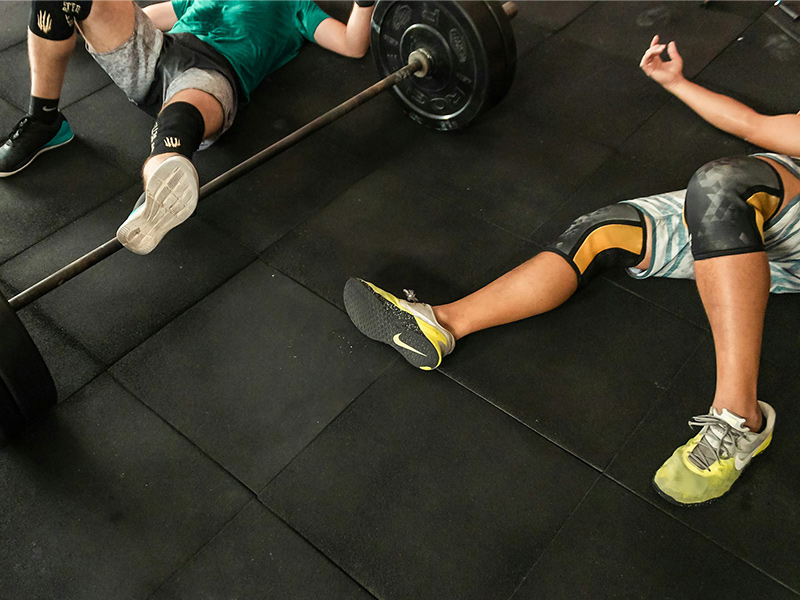
Competitive sport places greater demands on the body and mind. Athletes may face injury, performance pressure, overtraining and difficulty balancing training with education, work, family and friendships.
Understanding the advantages and disadvantages of competitive sports can help athletes, parents and coaches build healthier environments in which performance and well-being are treated as equally important.
“A successful sports programme should develop the athlete without sacrificing the person.”
The Main Advantages of Playing Sports
Physical fitness
Sport can improve endurance, strength, flexibility, balance and mobility.
Mental well-being
Training can provide structure, positive distraction and a sense of progress and achievement.
Social connection
Teams and clubs create opportunities for friendship, cooperation and belonging.
Personal development
Competition can build discipline, resilience, time management and goal-setting skills.
Physical Health Benefits
Activities such as running, swimming, cycling and brisk walking train the heart and cardiovascular system. Regular participation may improve circulation and make physical tasks feel easier.
Combining cardiovascular exercise with strength and mobility work can create a more complete fitness programme. These benefits are available to recreational participants as well as competitive athletes.
Mental, Social and Personal Benefits
Confidence and emotional well-being
Following a programme, learning a skill and noticing progress can create a sense of competence. Sport may also provide a healthy break from work, study and other responsibilities.
Communication and teamwork
Team activities require cooperation, shared responsibility, leadership, constructive communication and respect for rules.
Discipline and perseverance
Athletes learn to train consistently, recover appropriately and continue working when improvement feels slow.
Planning and goal setting
Measurable targets, training schedules and performance reviews teach skills that can also support education and work.
Competitive Sports: Benefits and Risks
| Area | Potential advantage | Potential disadvantage |
|---|---|---|
| Physical | Higher fitness and sport-specific skill | Acute or overuse injuries |
| Mental | Confidence, focus and resilience | Anxiety, pressure and burnout |
| Social | Teamwork and community | Isolation from intensive schedules |
| Lifestyle | Discipline and time management | Conflict with study, work or relationships |
Risk of Injury
Competitive athletes frequently train at higher intensities and volumes, which can increase exposure to sudden injuries and gradual overuse problems.
Acute injuries
- Sprains
- Muscle tears
- Bone fractures
- Joint injuries
Overuse problems
- Tendon pain
- Persistent joint irritation
- Cartilage damage
- Repeated strain injuries
Overtraining, Pressure and Burnout
Overtraining can develop when repeated training stress exceeds the athlete’s ability to recover. Performance may decline even though the athlete is working harder.
Mental-Health and Lifestyle Challenges
Identity and confidence
Injury or poor performance can be emotionally difficult when an athlete’s identity is strongly connected to results.
Food and body-image pressure
Weight-category or appearance-focused sports may contribute to restrictive eating or an unhealthy relationship with food.
Education and work
Long training schedules may conflict with classes, examinations, career opportunities or professional responsibilities.
Relationships and isolation
Athletes may have less time for family, friends and people who do not share the same schedule.
How to Reduce the Risks
Prepare
Warm up and use suitable footwear and protective equipment.
Progress
Increase training volume and intensity gradually.
Recover
Schedule rest, lighter sessions and adequate sleep.
Support
Use qualified coaching, medical care and psychological support.
Sustainable Athlete Checklist
Frequently Asked Questions
Are competitive sports good or bad?
They can provide major physical, social and personal benefits, but they may also increase injury and performance pressure. The outcome depends on coaching, recovery, training quality and support.
What are the main benefits of playing sports?
Benefits may include improved fitness, strength, teamwork, confidence, discipline, social connection and goal-setting skills.
What are the biggest risks of competitive sports?
Common risks include acute injury, overuse problems, overtraining, burnout, anxiety, restrictive eating behaviours and difficulty balancing sport with personal life.
How can athletes avoid overtraining?
Include rest days, monitor fatigue and performance, eat enough food, sleep properly and reduce training when recovery is consistently poor.
Can competitive sports affect mental health?
Yes. Competition may build confidence and resilience, but excessive pressure, injury, body-image concerns or fear of failure may contribute to anxiety, low mood or burnout.
When should an athlete seek professional help?
Seek qualified support when pain persists, performance continues to decline, fatigue does not improve, eating becomes restrictive or emotional distress begins affecting daily life.
Final Word
Sports can improve physical health, confidence, social skills and personal discipline. Competitive sport may offer even greater opportunities for achievement and development.
Competition also increases the importance of responsible coaching, injury prevention, mental-health support, balanced nutrition and adequate recovery.
The healthiest approach is not to avoid ambition, but to balance ambition with well-being. Athletes are more likely to perform sustainably when training supports their health, relationships and life outside sport—not only their next result.
References and Further Reading
- World Health Organization guidance on physical activity and sedentary behaviour.
- Sports medicine guidance on injury prevention, training load and athlete recovery.
- Evidence-based resources on athlete mental health, burnout and eating behaviours.
- Public-health guidance on physical activity, strength training and long-term well-being.