Why Your Body Needs Omega-3: More Than Just Another Healthy Fat
Understand ALA, EPA and DHA, discover food sources, learn how to read fish-oil labels and see where QNT Omega 3 may fit into a balanced daily routine.
Key Takeaways
Why Omega-3 Deserves More Attention
Protein, vitamins and minerals usually receive most of the attention in a fitness-focused diet. Healthy fats are often discussed only in terms of calories, even though omega-3 fatty acids form part of cell membranes and contribute to several normal functions throughout the body.
This does not mean everyone needs a capsule. Food should remain the starting point. However, people who rarely eat fatty fish may find it difficult to consume EPA and DHA consistently.
“Omega-3 should complete a balanced routine—not become the entire routine.”
The Three Main Types of Omega-3
The term “omega-3” describes a family of fatty acids rather than one single nutrient.
Plant-Based Essential Fat
Alpha-linolenic acid must come from food because the body cannot produce it independently.
Sources: Flaxseeds, chia seeds, walnuts, soybean oil and canola oil.Marine Omega-3
Eicosapentaenoic acid is obtained mainly from fatty fish, seafood and fish-oil supplements.
Often paired with: DHA in marine foods and supplements.Structural Omega-3
Docosahexaenoic acid is an important structural component of cell membranes and is concentrated in the brain and retina.
Sources: Fatty fish, seafood and algae.Why Omega-3 Matters in a Modern Routine
Omega-3 is not a miracle nutrient or a replacement for a balanced lifestyle. Its value comes from being part of a varied and nutritious dietary pattern.
Are You Getting Enough Omega-3 From Food?
Whole foods provide omega-3 alongside protein, vitamins, minerals and other nutrients. They should remain the first consideration.
| Food source | Main omega-3 type |
|---|---|
| Salmon, sardines and mackerel | EPA and DHA |
| Tuna, anchovies and seafood | EPA and DHA |
| Algae and algae oil | Mainly DHA, sometimes EPA |
| Flaxseeds and chia seeds | ALA |
| Walnuts | ALA |
| Soybean and canola oils | ALA |
| Fortified eggs or dairy products | Varies by product |
Fish Oil Is Not the Same as EPA and DHA
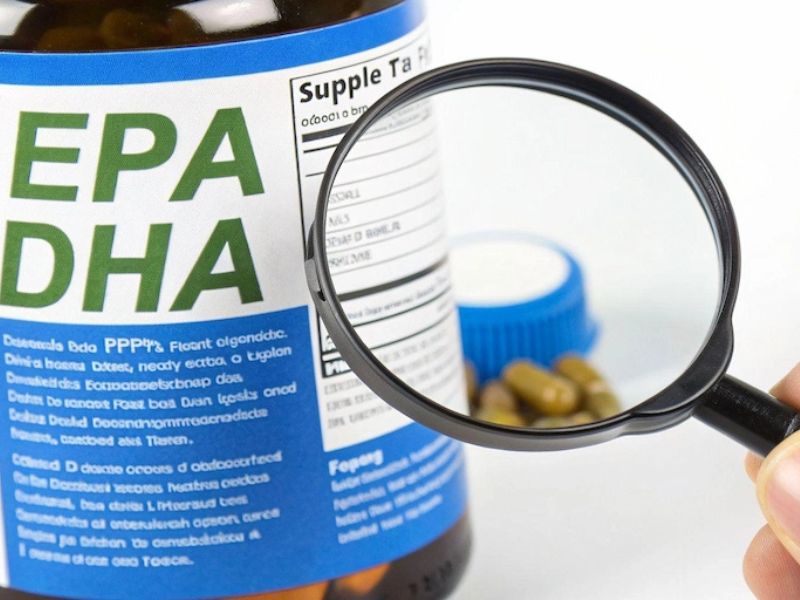
A capsule may contain 1,000mg of fish oil, but the complete 1,000mg is not necessarily active EPA and DHA. The combined EPA and DHA amount usually provides more useful comparison information.
Where QNT Omega 3 Fits In
QNT Omega 3
QNT Omega 3 provides a convenient source of EPA and DHA for people whose normal diet does not consistently include fatty fish.
How to Use Omega-3 More Practically
Take With Meals
Follow the product directions and take the softgels with food.
Build Consistency
Attach the serving to a regular meal so it becomes easier to remember.
Store Correctly
Keep the bottle sealed and away from excessive heat, moisture and sunlight.
Avoid Unplanned Doses
Higher amounts are not automatically better and may require professional guidance.
Common Omega-3 Buying Mistakes
Choosing the Largest Number
A large fish-oil number does not reveal the actual EPA and DHA content.
Assuming Products Are Identical
Serving size, source, EPA, DHA, capsule count and directions can differ.
Using It as Treatment
Fish-oil capsules should not be used to self-treat medical conditions.
Ignoring Diet Quality
A supplement cannot correct a diet dominated by ultra-processed foods.
Forgetting Allergens
Fish-derived supplements may not suit people with fish or seafood allergies.
Final Takeaway
Omega-3 fatty acids form an important part of a balanced diet, but the goal is not simply to purchase the capsule with the biggest front-label number.
Begin with foods such as fatty fish, flaxseeds, chia seeds and walnuts. When EPA and DHA intake remains inconsistent, QNT Omega 3 offers clearly measured amounts in a convenient softgel format.
Frequently Asked Questions
What is the difference between fish oil and omega-3?
Fish oil contains several types of fat. EPA and DHA are the main omega-3 fatty acids buyers should examine on a fish-oil label.
Can vegetarians take QNT Omega 3?
QNT Omega 3 contains fish oil and is not vegetarian. Vegetarians and vegans can consider suitable algae-based EPA or DHA products.
How many QNT Omega 3 capsules should I take?
The official product directions recommend two softgels per day with meals. Follow the label and obtain professional guidance when required.
Can omega-3 replace eating fish?
A supplement can provide EPA and DHA, but fish also supplies protein and other nutrients. Whole foods should remain the dietary foundation.
Is omega-3 only for athletes?
No. Omega-3 is relevant to general nutrition. Athletes, professionals, students and other adults may review their intake according to their diet.
Can I take omega-3 with other supplements?
It is often used alongside other nutrition products, but people taking medicines or managing health conditions should consult a qualified healthcare professional.
References
- NIH Office of Dietary Supplements, Omega-3 Fatty Acids: Consumer Fact Sheet.
- NIH News in Health, What Are Omega-3s?
- American Heart Association, Fish and Omega-3 Fatty Acids.
- American Heart Association, Dietary Guidance to Improve Cardiovascular Health.
- QNT, Omega-3 Official Product Information.