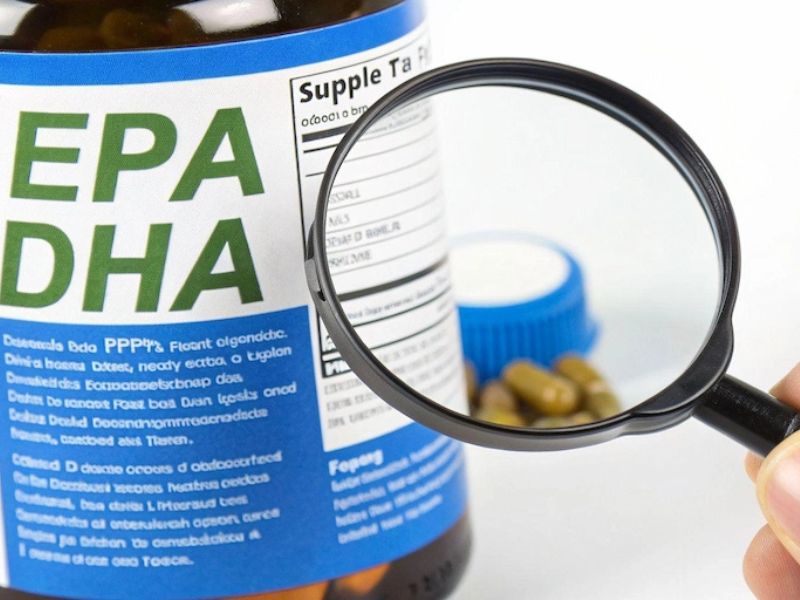
Best Time to Take Omega-3: Benefits, Uses, Dosage and Supplement Guide
Learn whether omega-3 is better in the morning or at night, why taking it with food may improve comfort, how EPA and DHA support daily nutrition, and how to choose a suitable omega-3 supplement.
Key Takeaways
Introduction
Omega-3 is widely discussed for heart, brain, eye and general wellness. However, many people focus mainly on one question: What is the best time to take omega-3 capsules?
Timing can influence convenience and digestive comfort, but it is not the most important factor. The supplement’s quality, EPA and DHA content, your diet and how consistently you take it generally matter more than choosing between morning and night.
Omega-3 fatty acids form part of cell membranes and contribute to signalling processes throughout the body. This guide explains timing, benefits, food sources, supplement selection and how QNT India Omega-3 Fish Oil may fit into a balanced daily routine.
What Is the Best Time to Take Omega-3?
Suitable when you eat a complete breakfast and already follow a morning supplement routine.
A practical choice if lunch is your larger meal or you need to separate omega-3 from other products.
Useful if dinner is your largest meal, you forget morning capsules or evening use feels more comfortable.
Omega-3 does not automatically become more effective when taken before bed. Evening use is mainly a matter of convenience, meal size and digestive tolerance.
“The best time to take omega-3 is the time that helps you take an appropriate serving consistently with a regular meal.”
Should Omega-3 Be Taken With Food?
Taking omega-3 with a complete meal is generally the most practical approach. Consuming it in the middle of a meal or immediately afterward may improve comfort for people sensitive to fish-oil supplements.
What Is Omega-3?
Omega-3 refers to a family of polyunsaturated fatty acids. The three principal forms are ALA, EPA and DHA.
| Omega-3 Type | Full Name | Common Sources | Key Detail |
|---|---|---|---|
| ALA | Alpha-linolenic acid | Flaxseeds, chia seeds, walnuts, soybean and canola oils | An essential plant-based omega-3 |
| EPA | Eicosapentaenoic acid | Fatty fish, seafood, fish oil and selected algae products | A long-chain omega-3 |
| DHA | Docosahexaenoic acid | Fish, seafood, fish oil and algae | A structural component of brain and retinal cell membranes |
Potential Benefits of Omega-3
Omega-3 should not be presented as a miracle nutrient or replacement for medical treatment. Adequate intake can, however, contribute to several important nutritional and physiological functions.
Heart-Healthy Nutrition
Fish and seafood can support a heart-conscious eating pattern, while long-chain omega-3 can influence triglyceride levels.
Brain Nutrition
DHA is found in high concentrations in the brain and forms part of neuronal cell membranes.
Eye Nutrition
DHA is an important structural component of retinal cell membranes and contributes to normal nutritional support for the eyes.
Cell-Membrane Structure
Omega-3 fatty acids form part of the phospholipids that surround cells and contribute to cellular signalling.
Active-Lifestyle Nutrition
Omega-3 can complement a balanced sports-nutrition plan, although it is not a stimulant, pre-workout or direct muscle builder.
EPA and DHA Convenience
Supplements offer a measured source of EPA and DHA when regular fatty-fish intake is limited.
Life-Stage Nutrition
Omega-3 considerations vary according to age, diet, pregnancy, breastfeeding and medical status.
Omega-3 for Gym-Goers and Active Adults
Omega-3 can form part of a balanced active-lifestyle routine, but it should complement rather than replace the fundamentals of training and recovery.
Who May Consider an Omega-3 Supplement?
Not everyone requires fish-oil capsules. People who eat fatty fish regularly may already obtain meaningful EPA and DHA through food.
Best Food Sources of Omega-3
EPA and DHA Sources
ALA Sources
Food Sources vs Omega-3 Supplements
| Food Sources | Omega-3 Supplements |
|---|---|
| Provide protein and additional nutrients | Provide a convenient measured serving |
| Support a balanced eating pattern | Useful when fish intake is limited |
| EPA and DHA vary by food and serving | EPA and DHA can be checked on the label |
| Require meal planning and preparation | Easy to include in a daily routine |
| Generally preferred as the nutritional foundation | Designed to help address nutritional gaps |
How to Choose a Good Omega-3 Supplement
Do not judge a fish-oil supplement only by the largest number displayed on the front. A product labelled “1,000 mg fish oil” does not necessarily provide 1,000 mg of active EPA and DHA.
QNT India Omega-3 Fish Oil
For people looking for a convenient fish-oil supplement, QNT India Omega-3 Fish Oil 60 Softgels can be considered as part of a balanced wellness and active-lifestyle routine.
It may be particularly convenient for people who do not regularly consume fatty fish or prefer a measured, label-based omega-3 serving.
How Much Omega-3 Should You Take?
There is no single EPA and DHA supplement dosage suitable for everyone. Individual needs depend on diet, fish intake, age, health status, medicines and professional recommendations.
| Adult Group | Adequate Intake for ALA |
|---|---|
| Adult men | Approximately 1.6 g daily |
| Adult women | Approximately 1.1 g daily |
| Pregnancy | Approximately 1.4 g daily |
| Breastfeeding | Approximately 1.3 g daily |
These values apply primarily to ALA. Specific universal EPA and DHA recommendations have not been established in the same way. For general wellness, follow the product instructions and consider your dietary intake.
Can You Take Omega-3 Every Day?
Many healthy adults can include omega-3 in their daily diet or supplement routine when the amount is appropriate. Daily use may be easier to maintain than irregular supplementation.
Can Omega-3 Be Taken With Other Supplements?
Omega-3 can generally be included alongside common wellness and sports-nutrition products. The main considerations are total supplement use, medicine interactions and digestive comfort.
Splitting several capsules between meals may make the routine more comfortable.
Possible Omega-3 Side Effects
Omega-3 and Blood-Thinning Medicines
Is More Omega-3 Better?
No. A larger amount is not automatically more beneficial.
High-dose omega-3 may be used in specific medical settings, but prescription treatment is different from routine dietary supplementation. Larger doses should only be used under professional supervision, particularly by people with cardiovascular risk or heart-rhythm concerns.
Omega-3 Use Checklist
Frequently Asked Questions
1. What is the best time to take omega-3 capsules?
Omega-3 can be taken in the morning, afternoon or evening. Taking it with a complete meal may improve digestive comfort.
2. Is omega-3 better in the morning or at night?
Neither time is universally better. Choose the time that fits your meal pattern and helps you remain consistent.
3. Can omega-3 be taken on an empty stomach?
It can be, but some people experience fishy burps, nausea or discomfort. Taking it with food is often more comfortable.
4. Can I take omega-3 after dinner?
Yes. Taking omega-3 with or immediately after dinner is suitable for many healthy adults when it follows the product directions.
5. Can omega-3 be taken every day?
Many healthy adults can use omega-3 daily in an appropriate amount. Consult a professional when using medicines or managing a medical condition.
6. What are the main benefits of omega-3?
Omega-3 contributes to cell-membrane structure and supports heart-focused nutrition, brain and eye nutrition, and a balanced active lifestyle.
7. Is omega-3 useful for gym-goers?
It can form part of a balanced sports-nutrition routine, but it is not a direct muscle builder. Protein, calories, training and sleep remain essential.
8. Can vegetarians take omega-3?
Vegetarians can obtain ALA from flaxseeds, chia seeds and walnuts. Algae-based supplements may provide DHA and EPA without fish oil.
9. What should I check on an omega-3 label?
Check total fish oil, EPA, DHA, serving size, capsule ingredients, storage directions and expiry date.
10. Is 1,000 mg fish oil the same as 1,000 mg omega-3?
No. Total fish-oil quantity may be much higher than the combined EPA and DHA amount. Always read the supplement panel.
11. Can omega-3 be taken with zinc and magnesium?
Yes, these nutrients can generally be included in the same routine. Divide capsules between meals if taking everything together causes discomfort.
12. Who should seek advice before taking omega-3?
People with fish allergies, bleeding conditions, heart-rhythm concerns or those taking anticoagulants should seek professional advice.
13. Does omega-3 reduce cholesterol?
Omega-3 should not be promoted as a general cholesterol treatment. Prescription-level omega-3 may lower high triglycerides under medical supervision.
14. Can omega-3 improve memory?
DHA is an important component of brain-cell membranes, but omega-3 supplements should not be presented as guaranteed memory enhancers.
15. Which omega-3 supplement can I consider in India?
QNT India Omega-3 Fish Oil 60 Softgels can be considered as a convenient option while checking its EPA, DHA and recommended serving information.
Final Takeaway
The best time to take omega-3 is not determined by a strict morning-or-night rule. For most people, taking it with a regular meal at a time that supports consistency is the simplest approach.
For people who do not regularly consume fatty fish, QNT India Omega-3 Fish Oil can provide a convenient addition to a balanced nutrition and active-lifestyle routine. It should be used according to its label and should complement rather than replace a varied diet.
References