We Broke Down What’s Actually Inside a Whey Protein Label
Most people choose flavour first and read the label last. But the nutrition panel, ingredient list, scoop size, and amino acid profile reveal the real quality of a whey protein.
Key Takeaways
Introduction
Most people spend more time choosing a flavour than reading the few lines that explain what is actually inside the tub. Double Chocolate or Cookies & Cream is an easy decision; the nutrition panel often gets ignored.
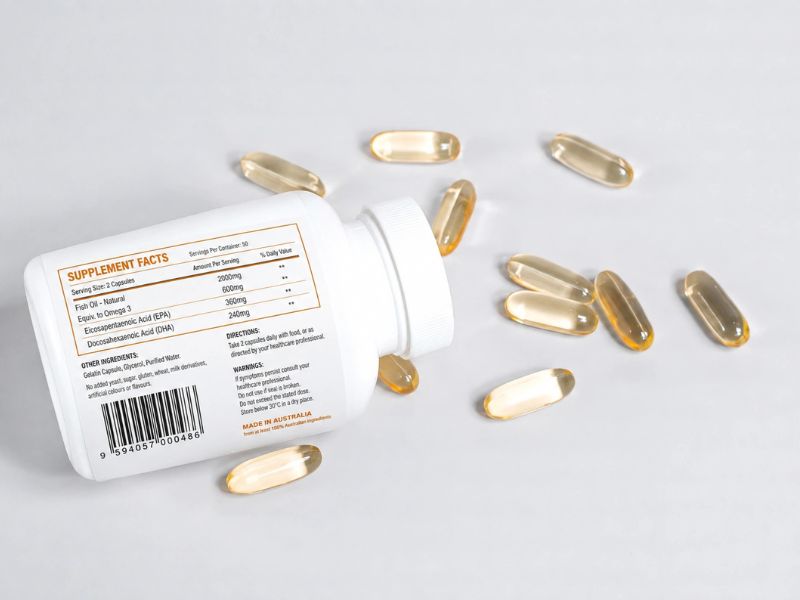
Flip the container over and you will find serving sizes, ingredient lists, percentages, amino acids, and marketing claims that can sound more impressive than informative.
The truth is simple: a whey protein label can tell you almost everything you need to know about quality, value, and transparency.
The Front Label Sells the Dream. The Back Label Tells the Truth.
Front Label
Promises muscle growth, faster recovery, lean gains, premium quality, and headline protein numbers.
Back Label
Reveals actual protein per serving, scoop size, carbs, sugars, fats, ingredient order, fillers, and whey type.
Real Quality Signal
The details inside the nutrition facts panel determine whey protein quality.
“A product may advertise 30g protein on the front, but the real story sits inside the nutrition facts panel.”
Protein Per Serving vs Scoop Size: The Trick Most People Miss
One of the easiest ways to misread a whey protein label is to focus only on the protein number. You are paying for the entire scoop, not just the protein inside it.
| Protein Claim | Scoop Size | Protein by Weight | What It Suggests |
|---|---|---|---|
| 25g protein | 50g scoop | 50% | More non-protein content in the serving. |
| 25g protein | 30g scoop | 83% | Higher protein percentage per serving. |
Best Practice: Higher-quality whey products often provide 75–90% or more protein by weight, depending on whether they are concentrate, isolate, or a blend.
Ingredient Lists Reveal More Than Marketing Claims
Ingredients are listed in descending order by weight. That means the first few ingredients tell you most of what you are buying.
When reviewing whey protein ingredients, look for the protein source appearing first.
Whey Protein Isolate
A higher-purity whey option often chosen for higher protein and lower carbs, fat, and lactose.
Whey Protein Concentrate
A common whey source that usually retains slightly more fats and carbohydrates.
Hydrolysed Whey Protein
A processed whey form often used in formulas positioned around easier digestion or faster absorption.
Important: If sweeteners, maltodextrin, creamers, or flavouring systems dominate the top of the list, the product may rely heavily on non-protein ingredients.
Whey Protein Concentrate vs Isolate: Why It Matters
| Type | Protein Content | Carbs, Fat & Lactose | Best Fit |
|---|---|---|---|
| Whey Concentrate | Typically 70–80% | Slightly higher | Often more affordable and suitable for general use. |
| Whey Isolate | Typically 90%+ | Lower | Often preferred for higher protein purity and lean nutrition goals. |
Neither option is automatically better. The right choice depends on your goals, digestion, budget, and overall diet.
The Amino Acid Profile Is More Important Than Most People Think
Quantity Matters
Protein grams are important, but they are not the full quality story.
Quality Matters
Whey naturally contains all nine essential amino acids.
Leucine Matters
Whey is particularly rich in leucine, associated with stimulating muscle protein synthesis.
Research Summary: High-quality protein sources rich in essential amino acids support recovery, adaptation, and performance outcomes when paired with resistance training.
Watch Out for Proprietary Blends
What They Do
Proprietary blends group multiple ingredients together without disclosing the exact amount of each ingredient.
Why Buyers Should Care
The blend may sound impressive, but the actual dosage can be much harder to verify.
“When evaluating a whey protein label, transparency usually beats complexity.”
What Good Label Transparency Looks Like
QNT Prime Whey Triple Blend Isolate Protein
Useful for buyers who want to evaluate whey protein ingredients, serving information, and nutritional disclosures clearly.
Explore Prime WheyQNT Nitrapure Whey Protein
Helps informed buyers compare listed ingredients and nutrition information beyond front-label claims.
Explore NitrapureCreatine Monohydrate Powder
The same label-first mindset applies beyond protein because most supplement categories become clearer once labels are read before reviews.
Explore CreatineThe 5-Second Whey Protein Label Check
If you are standing in a store or browsing online, use this simple framework before buying.
Check Protein
How many grams of protein are you actually getting per serving?
Check Scoop
Calculate the protein percentage per serving using scoop size.
Read First Ingredients
The first three ingredients reveal most of the product.
Look for Transparency
Avoid unnecessary confusion and excessive proprietary blends.
Verify Protein Type
Understand whether you are buying concentrate, isolate, or a blend.
Final Thoughts
Most people do not buy their first protein powder because they love reading ingredient panels. But the difference between an average protein powder and a high-quality one is rarely hidden in a flashy headline.
Learning how to read whey protein labels is not about becoming a nutrition expert. It is about becoming a smarter consumer.
Once you understand whey protein ingredients, nutrition facts, ingredient order, protein percentages, and amino acid profile quality, marketing claims become much easier to evaluate.
Whey Protein Buying Checklist
FAQs
Q1. How do you read a whey protein label?
Start by checking protein per serving, scoop size, ingredient order, nutrition facts, and protein source. These factors give a clearer picture than front-label marketing claims.
Q2. What should I look for on a whey protein label?
Look for protein content, ingredient transparency, protein percentage, amino acid information, added sugars, and whether the product uses concentrate, isolate, or a blend.
Q3. How can I tell if a whey protein is high quality?
High whey protein quality is often indicated by strong protein percentages, transparent ingredient disclosure, complete amino acid content, and minimal unnecessary fillers.
Q4. What do whey protein ingredients actually mean?
Whey protein ingredients explain what makes up the product, including protein sources, sweeteners, flavours, stabilizers, and any additional functional ingredients.
Q5. Is whey isolate better than whey concentrate?
Not necessarily. Isolate generally contains more protein and less lactose, fat, and carbohydrates, while concentrate is often more affordable. The best choice depends on your goals.
Sources & References
- Harvard T.H. Chan School of Public Health — Protein Overview: https://nutritionsource.hsph.harvard.edu/protein/
- International Society of Sports Nutrition Position Stand — Protein and Exercise: https://jissn.biomedcentral.com/articles/10.1186/s12970-017-0177-8
- National Institutes of Health — Dietary Protein and Muscle Mass Research: https://pmc.ncbi.nlm.nih.gov/articles/PMC6566799/
- Cleveland Clinic — Protein: Why Your Body Needs It: https://health.clevelandclinic.org/why-protein-is-important
- Healthline — Whey Protein: Benefits, Side Effects, and More: https://www.healthline.com/nutrition/whey-protein-101