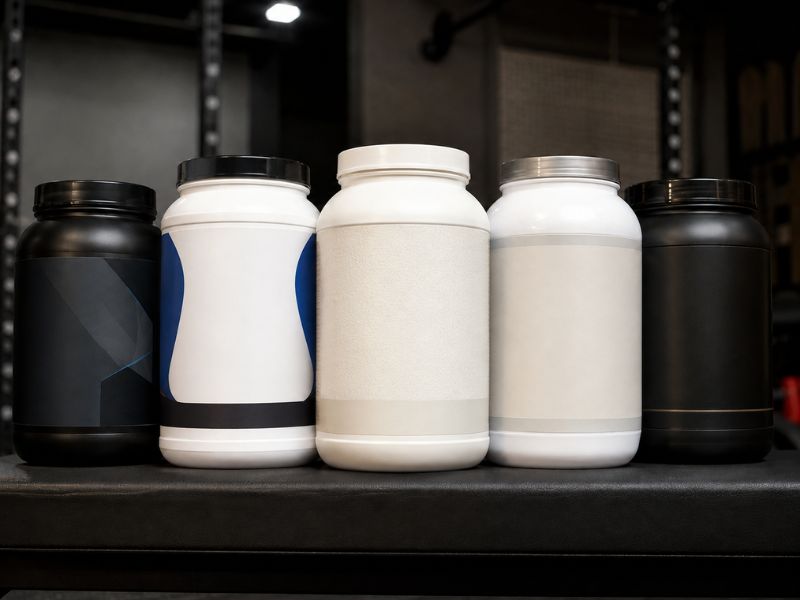
Can You Take Magnesium With Whey Protein?
Learn whether magnesium and whey protein can be taken together, how their roles differ, the best timing options, dosage considerations, possible digestive effects and essential safety precautions.
Most healthy adults can generally take magnesium and whey protein together when both products are used according to their approved labels.
Product dosage, elemental magnesium, total protein intake, digestive tolerance, medicines and existing health conditions still need to be considered.
Key takeaways
Magnesium and whey protein in the same routine
Magnesium and whey protein are commonly used in fitness routines, but they serve different nutritional purposes. Whey supplies amino acids used in muscle protein synthesis, while magnesium contributes to normal muscle function, nerve signalling and energy metabolism.
There is no recognised requirement for most healthy adults to separate them. Taking them together can be convenient, but convenience should not lead to excessive dosages, ingredient duplication or unrealistic recovery expectations.
The best approach is to evaluate your complete diet, both product labels, personal tolerance, medicines and medical conditions before deciding how to use them.
What does each supplement do?
Whey protein
Whey is a milk-derived, high-quality protein containing all nine essential amino acids. It offers a convenient way to supplement daily protein intake.
- Supports muscle protein synthesis
- Helps meet increased protein requirements
- Supports lean muscle alongside resistance training
- Provides a convenient post-workout protein source
- Helps distribute protein across the day
Magnesium
Magnesium is an essential mineral involved in more than 300 enzyme systems connected to muscle, nerve, energy and protein-related processes.
- Supports normal muscle function
- Contributes to nerve signalling
- Participates in energy metabolism
- Supports normal protein-related processes
- Helps regulate mineral movement across cell membranes
Magnesium and whey protein: how their roles differ
| Nutrient | Primary nutritional role | What it does not replace |
|---|---|---|
| Whey protein | Provides essential amino acids and supports muscle protein synthesis. | Magnesium, hydration, carbohydrates or sleep. |
| Magnesium | Supports normal muscle, nerve, energy and protein-related processes. | Dietary protein or essential amino acids. |
| Used together | Can contribute to different parts of a fitness routine. | A complete recovery or nutrition plan. |
Can you take magnesium and whey protein at the same time?
For most healthy adults, there is no established requirement to separate whey protein and magnesium. Whey protein is not identified as a clinically important magnesium interaction in recognised magnesium guidance.
Direct clinical trials testing every magnesium form with every whey formulation are limited. Therefore, the safest practical recommendation is to follow both approved labels instead of assuming every formulation and dosage can be combined freely.
“Using both in the same routine is generally practical, but taking them together is not proven to make either supplement more effective.”
Do they block each other’s absorption?
There is no established evidence that a normal serving of whey protein prevents magnesium absorption or that magnesium blocks whey protein digestion.
This does not prove that no laboratory-level interaction is possible under any condition. It means there is no recognised reason for healthy adults to separate them purely because of an assumed absorption conflict.
Can magnesium be mixed into a whey protein shake?
A magnesium powder may be mixed into a protein shake when the magnesium product is designed for beverages and its instructions permit this use.
Practical timing options
There is no scientific requirement to take magnesium immediately with a post-workout shake. Choose a schedule based on product directions, total intake, digestive tolerance and medication timing.
Take both after training
Use whey or a protein-rich meal, take magnesium according to its label and continue normal hydration.
Separate the timing
Take whey near training and magnesium later with a meal to monitor tolerance or avoid medicine interactions.
Use different meals
There is no need to force both supplements into one post-workout window. Consistency is more important.
Potential benefits of using both
Muscle protein synthesis
Whey supplies essential amino acids, including leucine, used to support muscle protein synthesis alongside resistance training.
Normal muscle function
Magnesium contributes to neuromuscular processes and mineral movement involved in muscle contraction.
Energy metabolism
Magnesium supports reactions used to produce and use cellular energy without acting as an immediate stimulant.
Routine convenience
Using both within one routine may improve consistency when each supplement addresses a genuine nutritional need.
Does combining them improve muscle recovery?
The combination is biologically reasonable because protein and magnesium support different physiological processes. However, evidence does not establish that taking magnesium with whey creates a unique synergistic recovery effect.
Whey supports recovery by providing amino acids used in muscle protein synthesis. Magnesium supports normal muscle, nerve and metabolic functions. Correcting inadequate magnesium intake may be useful, but additional magnesium does not automatically improve recovery when requirements are already met.
Protein and magnesium dosage considerations
Daily protein intake
For most exercising adults, approximately 1.4–2.0 g of total protein per kilogram of body weight per day may support muscle maintenance or development.
A general serving of 20–40 g of high-quality protein is commonly used, although needs vary. These figures include food protein—not only whey.
Daily magnesium intake
Adult magnesium requirements generally range from 310–420 mg per day, depending on age and sex.
This amount includes magnesium from food, beverages, supplements and medicines—not only a dedicated magnesium product.
| Group | Recommended total daily magnesium |
|---|---|
| Adult men | 400–420 mg |
| Adult women | 310–320 mg |
| Pregnancy | Approximately 350–360 mg |
What is elemental magnesium?
Elemental magnesium is the actual quantity of magnesium supplied by a supplement. The full weight of magnesium citrate, glycinate or another compound is not the same as the magnesium it delivers.
Compare products using the elemental amount per recommended serving rather than relying on the largest milligram number printed on the packaging.
Check for ingredient duplication
The main concern is often not whey protein and magnesium together. It is unintentionally consuming magnesium from several products.
Could taking both cause digestive discomfort?
Magnesium-related symptoms
Higher supplemental magnesium intakes can cause:
- Diarrhoea
- Nausea
- Abdominal cramping
- Digestive discomfort
Whey-related symptoms
Potential contributors include:
- Lactose in the whey product
- Sugar alcohols or sweeteners
- Flavouring ingredients
- A large shake consumed quickly
- Several supplements taken at once
Lactose intolerance and milk allergy are not the same
| Condition | What it involves | Whey consideration |
|---|---|---|
| Lactose intolerance | Difficulty digesting lactose, which may cause gas, bloating, cramps or diarrhoea. | Tolerance can vary based on the product and its lactose content. |
| Milk-protein allergy | An immune reaction to milk proteins that may be serious. | Whey is a milk protein and should not be assumed safe without medical guidance. |
Who should seek professional advice first?
Kidney impairment can increase the risk of magnesium accumulation, while some people with chronic kidney disease require personalised protein recommendations.
Magnesium and medication interactions
| Medicine type | Potential concern | Practical guidance |
|---|---|---|
| Tetracycline and quinolone antibiotics | Magnesium can bind with the medicine and reduce absorption. | Professional guidance may require antibiotics two hours before or four to six hours after magnesium. |
| Oral bisphosphonates | Magnesium may reduce medicine absorption. | The doses may need to be separated by at least two hours. |
| Diuretics | Different types may increase magnesium loss or reduce magnesium excretion. | Magnesium status and supplementation should be professionally reviewed. |
| Proton-pump inhibitors | Long-term use may contribute to low magnesium levels. | Seek medical assessment rather than adding a supplement independently. |
A beginner-friendly way to use both
Review your diet
Estimate how much protein and magnesium you already obtain through food.
Check both labels
Confirm servings, allergens, protein, elemental magnesium and added nutrients.
Introduce separately
When both are new, start one at a time to identify intolerance more easily.
Follow servings
Do not copy dosages used by influencers, athletes or research trials.
Choose your schedule
Use them together or separately based on tolerance and instructions.
Monitor recovery
Consider nutrition, hydration, sleep, training volume and rest.
Example supplement schedules
Same-time routine
After training, use whey protein and magnesium according to their labels, hydrate normally and consume a balanced meal when appropriate.
Separate routine
Take whey protein after training and use magnesium later with an evening meal according to its directions.
Food-first routine
Prioritise dietary protein and magnesium-rich foods, using whey or magnesium only when each fills a genuine gap.
None of these schedules is universally superior.
Common myths
Product buying checklists
✔ Whey protein checklist
- Protein per serving
- Amino-acid profile
- Whey concentrate or isolate
- Added sugar and sweeteners
- Milk and other allergen declarations
- Serving instructions
- Testing and certification information
✔ Magnesium checklist
- Magnesium form
- Elemental magnesium per serving
- Recommended serving size
- Additional vitamins and minerals
- Medication warnings
- Manufacturing and testing information
- Total magnesium from the complete routine
Where QNT products fit into the routine
QNT Whey Protein and QNT Magnesium may be used within the same fitness routine when each product is suitable for the individual and used according to its approved label.
Whey protein can help supplement daily protein intake, while magnesium contributes to normal muscle, nerve and energy-related functions.
Frequently asked questions
Can I put magnesium powder in a protein shake?
Yes, when the magnesium product is designed for beverages and its label permits mixing. Do not crush tablets or open capsules unless specifically instructed.
Can I take magnesium tablets after drinking whey protein?
Most healthy adults can generally take magnesium after whey protein. There is no recognised requirement to leave a gap between the two.
Will whey protein reduce magnesium absorption?
There is no established evidence that a standard whey-protein serving causes a clinically important reduction in magnesium absorption.
Should I take magnesium before or after whey protein?
There is no proven order. Time whey according to protein needs and training, and magnesium according to its directions, tolerance and medicine schedule.
Can they improve muscle recovery?
They support different nutritional functions, but the combination has not been proven to create a special synergistic recovery effect.
Can I take magnesium, whey protein and creatine together?
They serve different purposes and may appear in one routine, but every label, dosage and additional ingredient should be reviewed first.
Can whey protein and magnesium cause diarrhoea?
Higher magnesium doses can cause diarrhoea or cramping. Whey may cause digestive symptoms in people with lactose intolerance or ingredient sensitivities.
Can people with kidney disease take both?
People with kidney disease should not use the combination without professional advice because magnesium accumulation and protein requirements may need individual management.
Is it safe to take both every day?
Daily use may suit some healthy adults when both products match their nutritional needs and remain within approved servings without ingredient duplication.
Final word
Magnesium and whey protein can generally be taken together by healthy adults. They perform different jobs, and neither replaces the other.
Whey supplies amino acids used in muscle protein synthesis. Magnesium supports normal muscle function, nerve signalling and energy metabolism. Taking them together is convenient, but it has not been proven more effective than taking them separately.
Use whey to fill a genuine protein gap, use magnesium according to dietary need and label directions, review all active ingredients and prioritise the quality of your complete nutrition and recovery routine.
References
- NIH Office of Dietary Supplements: Magnesium Fact Sheet for Health Professionals
- International Society of Sports Nutrition: Position Stand on Protein and Exercise
- International Society of Sports Nutrition: Position Stand on Nutrient Timing
- National Institute of Diabetes and Digestive and Kidney Diseases: Lactose Intolerance
- U.S. Food and Drug Administration: Food Allergens and Label Reading