How to Stay in Shape This Summer: A Complete Summer Fitness Guide
Practical workout, nutrition, hydration, sleep and recovery tips for staying fit and active through the summer heat.
Key Takeaways
Summer is a great time to become more active and spend time outdoors, but heat, travel and disrupted schedules can make consistency harder. Staying in shape doesn't require extreme dieting or exhausting daily workouts.
It requires a balanced routine — movement, strength training, nutritious food, hydration, sleep and recovery — without placing unnecessary stress on your body.
What Does Staying in Shape Mean?
Staying in shape isn't only about a number on the scale. A well-rounded routine helps you maintain:
The goal is feeling active, capable and confident — not an unrealistic look in a few weeks.
1. Follow a Realistic Summer Workout Routine
Aim for 150–300 minutes of moderate aerobic activity weekly (or 75–150 vigorous), alongside regular strength work. A balanced week includes:
2. Exercise During Cooler Hours
Extreme heat raises dehydration and heat-illness risk. Train during early morning, late evening, after sunset or shaded periods, and avoid intense outdoor sessions at peak heat.
Warning: If outdoor conditions feel uncomfortable, train indoors, shorten the session, or lower the intensity instead of pushing through.
3. Prioritise Strength Training
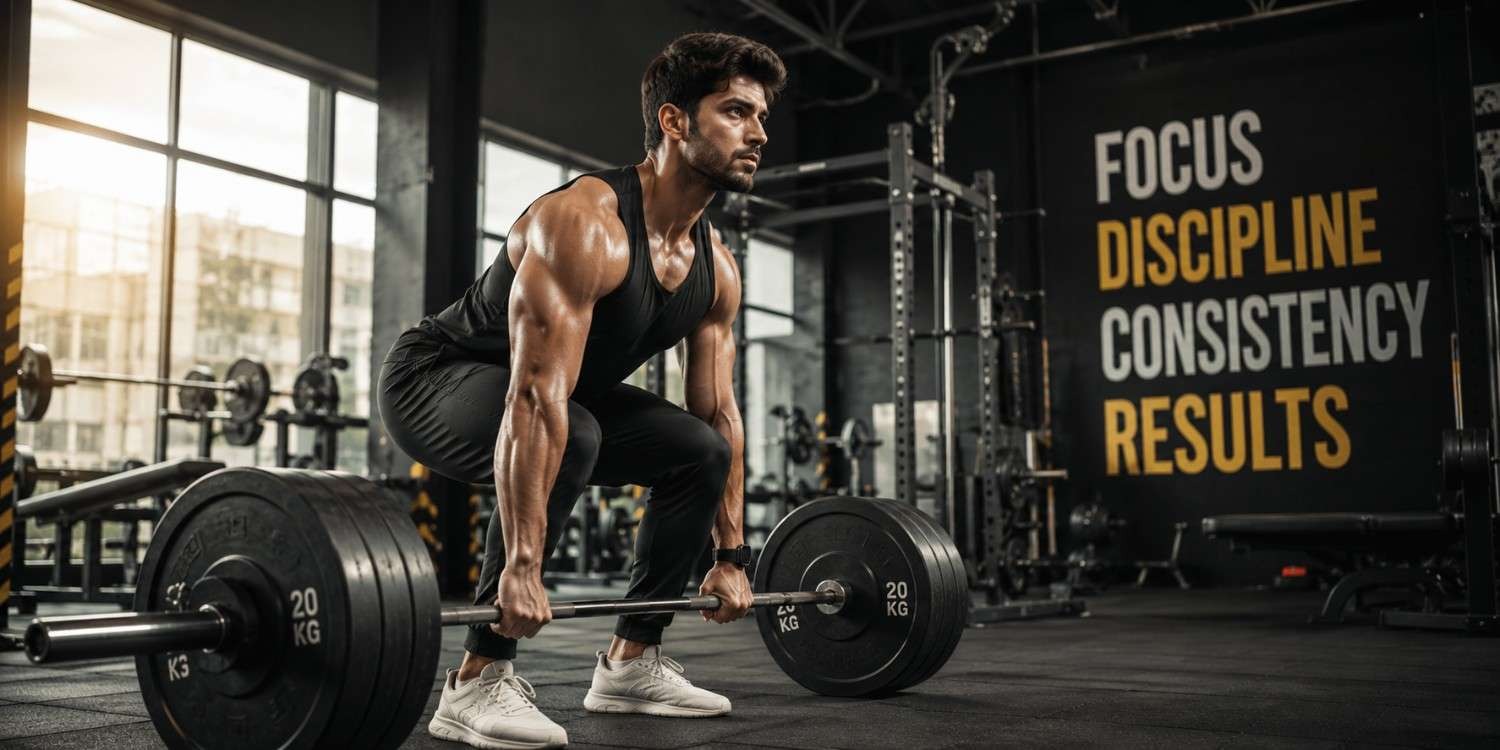
Strength training maintains muscle, improves posture and supports everyday movement. Cover squat, hinge, push, pull, lunge, carry and core patterns.
Simple Full-Body Strength Workout (2–3x/week)
- Squats — 3×10–12
- Push-ups or chest presses — 3×8–12
- Dumbbell/band rows — 3×10–12
- Reverse lunges — 2×8/side
- Shoulder presses — 2×10
- Glute bridges — 3×12
- Plank — 3×20–40s
4. Add Cardio Without Overdoing It
Cardio supports endurance and heart health, but excessive cardio combined with under-eating leaves you exhausted. Start with 20–30 minutes and build up gradually.
"Summer fitness should improve your health and confidence — not leave you exhausted, dehydrated, or constantly worried about your appearance."
5. Increase Daily Movement
Formal workouts are only part of staying active. Walking after meals, taking stairs, standing during breaks, and short walks between sitting all add up over time — even if they feel less impressive than a hard gym session.
6. Stay Hydrated
Hot weather increases fluid loss through sweating. Drink regularly, carry a bottle, and include water-rich foods:
Warning: Stop exercising and move to a cooler place if you feel dizziness, nausea, confusion, unusual weakness, headache or severe muscle cramps.
7. Eat Enough Protein
Protein supports muscle maintenance, recovery and meal satisfaction — include a suitable source in every major meal.
Protein powder is optional — useful when meals don't conveniently meet your requirement, but it shouldn't replace balanced food.
8. Choose Light, Balanced Summer Meals
A balanced meal includes protein, vegetables, a controlled carb portion and moderate healthy fat.
9. Be Careful With Liquid Calories
Summer drinks can carry more sugar and calories than expected — sweetened iced tea, milkshakes, packaged juice, sweetened lassi and energy drinks can all be consumed quickly without much fullness.
Did You Know? You don't need to avoid every summer drink — smaller portions, less added sugar, and regular water intake strike the right balance.
10. Do Not Follow a Crash Diet
⚠ Crash Diets May Cause
- Low energy and strong cravings
- Poor workout performance
- Irritability and inconsistent eating
- Loss of routine and rapid weight regain
A moderate, sustainable approach beats switching between strict dieting and uncontrolled eating.
11. Control Portions Without Eliminating Foods
You don't need to remove carbs, desserts or restaurant meals entirely. Serve food on a plate, eat slowly, start with protein and vegetables, and return to your normal routine after social events — consistency matters more than one meal.
12. Protect Your Sleep
Longer days, travel and late nights can disturb your sleep schedule, affecting energy, hunger and food choices.
✔ Better Summer Sleep Checklist
- Maintain a regular bedtime
- Keep the room cool and dark
- Reduce screen use before bed
- Avoid heavy meals right before sleeping
- Limit caffeine later in the day
13. Manage Travel and Holidays Smartly
A holiday doesn't need to fully interrupt your routine — walk whenever possible, use the hotel gym, and carry resistance bands if you can.
Quick Hotel-Room Workout (3 rounds)
- Bodyweight squats — 15 reps
- Incline push-ups — 10 reps
- Reverse lunges — 8 reps/side
- Glute bridges — 15 reps
- Mountain climbers — 20 reps
- Plank — 30 seconds
14. Wear Suitable Workout Clothing
Choose lightweight, breathable clothing, supportive footwear, a cap, sunscreen and sunglasses for outdoor training.
Expert Tip: The NHS recommends seeking shade, wearing light clothing and avoiding activities that make you hotter during extreme heat.
15. Track the Right Progress
Body weight fluctuates due to hydration, salt, digestion and travel. Track the overall trend using:
Sample Weekly Summer Fitness Plan
| Day | Focus |
|---|---|
| Monday | Full-body strength |
| Tuesday | Moderate cardio, 25–35 min |
| Wednesday | Upper-body strength |
| Thursday | Mobility and walking |
| Friday | Lower-body strength |
| Saturday | Recreational cardio |
| Sunday | Rest and recovery |
Adjust according to fitness level, weather, sleep and health.
Common Summer Fitness Mistakes
⚠ Watch Out For
- Training in extreme heat — not worth risking heat exhaustion
- Exercising without enough water — don't wait until extremely thirsty
- Depending only on cardio — strength training matters too
- Skipping meals to look leaner — often backfires with cravings
- Drinking too many calories — sugary drinks add up fast
- Expecting rapid transformation — takes more than a few days
- Ignoring recovery — rest, hydration and sleep are essential
Frequently Asked Questions
How can I stay in shape during summer?
A balanced routine of strength, cardio, daily movement, nutrition, hydration, sleep and recovery.
What is the best summer workout?
Whichever you can perform safely and consistently — strength training, walking, swimming or indoor cardio.
Is it safe to work out in hot weather?
Heat raises dehydration risk — train in cooler hours, lower intensity, stay hydrated, and stop at concerning symptoms.
What time should I exercise during summer?
Early morning or late evening are generally more comfortable; indoor exercise suits extreme heat.
How much water should I drink during summer?
It varies by body size, climate and activity — drink regularly and increase intake during heat or exercise.
Can I lose weight during summer?
Yes, but the season itself isn't what causes fat loss — total intake, activity and consistency drive it.
Is swimming good for staying in shape?
Yes — it improves cardiovascular fitness with relatively low joint impact.
Should I perform cardio every day?
You can stay active daily, but demanding cardio isn't necessary every day — alternate with strength and recovery.
What should I eat after a summer workout?
Protein, carbs and fluids — paneer with rice, dal with roti, or curd with fruit and oats.
Are protein shakes necessary in summer?
No — optional, and useful only when they help meet your protein requirement conveniently.
Can I drink fruit juice instead of water?
Juice adds fluid but often carries substantial sugar — whole fruit and water are usually more filling.
How can I stay fit while travelling?
Walk regularly, do short bodyweight workouts, stay hydrated, and choose balanced meals without aiming for perfection.
How do I avoid overeating during summer holidays?
Don't arrive extremely hungry, include protein, control portions, and return to routine after indulgences.
Should I wear a sweatshirt to sweat more during exercise?
No — sweating more doesn't mean more fat burned, and heavy clothing in heat raises stress and fluid loss unnecessarily.
What should I do if I feel dizzy while exercising?
Stop immediately, move to a cool place, and seek medical attention if dizziness, confusion or chest pain persists.
Important: This article provides general fitness and nutrition information and does not replace personalised medical advice. Speak with a qualified healthcare professional before beginning a new fitness programme if you have a medical condition, are pregnant, take medication or experience unexplained symptoms.