Which Protein Powder Is Right for You? A Complete Protein Powder Guide
Confused between whey concentrate, isolate, casein and plant protein? Here's how to choose based on your goal, diet, digestion and budget.
Key Takeaways
Whey concentrate, whey isolate, hydrolysed whey, casein, soy and plant blends can all look similar on a shelf — but their ingredients, digestion, nutrition and price differ significantly.
The right protein powder depends on your daily protein intake, fitness goal, dietary preference, digestion, allergies and budget. This guide breaks down each type so you can pick the one that actually fits you.

Do You Actually Need Protein Powder?
Protein powder is a dietary supplement, not a replacement for nutritious meals. You may not need one if food sources like milk, curd, paneer, tofu, lentils, eggs or fish already cover your daily requirement.
Research Summary: The National Institutes of Health notes that exercise supplements cannot substitute for a nutritious diet and appropriate training.
Start With Your Daily Protein Requirement
Estimate how much protein you already get from food before comparing products. Sports-nutrition guidance commonly places active individuals within 1.2–2.0g protein per kg body weight per day, depending on training intensity and goals.
If your meals cover most of that and you're short by ~20–25g, one serving may be enough — more scoops don't automatically mean faster results.
"Protein powder should make good nutrition more convenient — it should not replace it."
Main Types of Protein Powder
1. Whey Protein Concentrate
The most popular, affordable option — made from milk, retaining more lactose and fat since it's less filtered than isolate.
Choose when: You want everyday value and digest dairy comfortably. Avoid when: Lactose causes bloating or discomfort.
2. Whey Protein Isolate
More heavily filtered, giving a higher protein percentage with less fat and lactose.
Choose when: You want a leaner profile or find concentrate hard to digest. Note: Still unsafe for a diagnosed milk-protein allergy.
3. Hydrolysed Whey Protein
Broken into smaller peptides for faster digestion — usually pricier and slightly bitter-tasting.
Choose when: Digestion speed matters more than price. A higher price doesn't guarantee better muscle results.
4. Casein Protein
A slow-digesting, thicker milk protein — well suited to long gaps between meals.
Choose when: You want a filling evening option. Avoid when: You have a milk allergy or dairy intolerance.
5. Plant-Based Protein Powder
Includes pea, soy, brown-rice, hemp and blends. Combining complementary sources like pea and rice improves amino-acid balance.
Choose when: You're vegan, dairy-free, or prefer plant-derived ingredients.
6. Soy Protein
A complete, affordable plant protein containing all essential amino acids.
Choose when: You need a budget-friendly, dairy-free complete protein. Avoid with a soy allergy.
7. Egg-White Protein
A dairy-free animal-protein alternative for people who avoid milk but still eat eggs.
Choose when: You need dairy-free but still prefer animal protein. Avoid with an egg allergy.
8. Protein Blends
Combine sources like whey + casein or pea + rice for a balance of taste, cost and digestion speed.
Note: A long ingredient list doesn't automatically mean a superior product — check actual protein per serving.
Which Protein Powder Is Best for Your Goal?
| Goal | Suitable Options |
|---|---|
| Beginners | Whey concentrate or a balanced plant blend |
| Muscle building | Whey concentrate/isolate, soy, or plant blend (20–40g/serving) |
| Weight management | Whey isolate/concentrate or plant protein with low added sugar |
| Lactose intolerance | Whey isolate, lactose-free whey, or plant protein |
| Milk allergy | Verified dairy-free protein only |
| Vegans | Soy protein or a blended plant protein |
| Evening use | Casein or a mixed milk-protein blend |
| Competitive athletes | NSF Certified for Sport or Informed Sport-tested products |
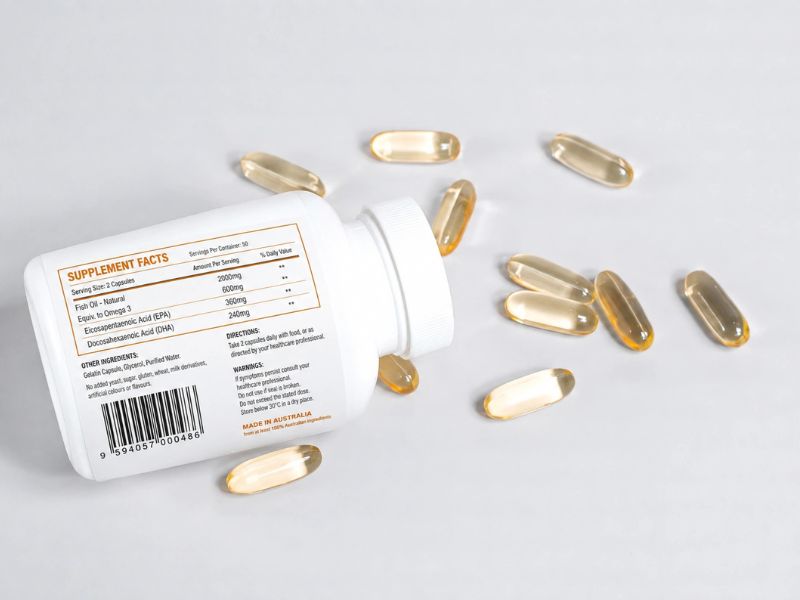
How to Read a Protein Powder Label
Protein Powder Red Flags
⚠ Be Cautious When a Product
- Promises instant muscle growth or dramatic transformations
- Claims to burn fat without diet or exercise
- Doesn't clearly list its protein source
- Uses an unusually large serving to inflate protein claims
- Hides quantities inside unclear proprietary blends
- Has broken packaging or no batch/manufacturer info
- Is priced unrealistically low compared to similar products
Important: Dietary supplements aren't automatically reviewed and approved for safety before marketing in the U.S. — buy from authorised sellers and verify per your local standards.
A Simple Protein Powder Decision Guide
✔ Quick Decision Checklist
- Whey concentrate — affordable, everyday, tolerates dairy well
- Whey isolate — more protein per calorie, lower lactose
- Hydrolysed whey — faster digestion, higher cost
- Casein — thicker, slower-digesting
- Soy protein — affordable, complete, plant-based
- Plant blend — vegan, dairy-free, complementary aminos
- Egg-white protein — dairy-free, animal-based
- Certified protein — for drug-tested athletes
Frequently Asked Questions
Which protein powder is best for beginners?
Whey concentrate for dairy-tolerant users; soy or pea-rice blends for vegans and dairy-free consumers.
Is whey isolate better than whey concentrate?
Not necessarily — isolate has more protein and less lactose, but concentrate is usually cheaper. Choice depends on digestion and budget.
Which protein powder is best for muscle gain?
Whey, casein, soy and well-formulated plant blends can all work with adequate protein, calories and resistance training.
Which protein powder is best for weight loss?
High protein, reasonable calories, limited added sugar — whey isolate is convenient, but concentrate and plant protein work too.
Can protein powder reduce belly fat?
No — fat reduction depends on a sustained calorie deficit, activity, and overall lifestyle, not a specific supplement.
Can lactose-intolerant people take whey protein?
Some tolerate isolate better than concentrate due to lower lactose; others need lactose-free or plant options. Tolerance varies.
Can someone with a milk allergy use whey isolate?
No — isolate is still a milk protein. Use a verified dairy-free alternative and check allergen warnings.
Is plant protein as effective as whey?
A high-quality plant protein — especially soy or complementary blends — can support muscle and recovery goals just as well.
Is soy protein safe for men?
Yes, for most people without a soy allergy. Anyone with a medical or hormonal condition should consult a professional first.
Is casein better before bedtime?
It digests more slowly, making it a popular evening choice, but total daily protein intake matters more than timing.
How many scoops of protein powder should I take?
Depends on your total daily requirement and food intake — often just one serving covers the gap.
Can I take protein powder without exercising?
Yes, but it won't build muscle on its own — resistance training provides the necessary stimulus.
Can I take protein powder every day?
Yes, when it fits your overall diet — it shouldn't replace a varied diet though.
When is the best time to take protein powder?
After training, with breakfast, or between meals — no need to obsess over a narrow "protein window."
Should I mix protein powder with water or milk?
Water keeps calories lower; milk adds protein, carbs and a creamier texture. Choose per your goal.
Does an expensive protein powder work better?
Not automatically — higher prices may just reflect filtration, flavouring, or marketing. Compare per-serving value instead.
Can people with kidney disease take protein powder?
They may need individualised protein intake based on their condition — consult a doctor or renal dietitian first.
Important: This article provides general nutrition and fitness information and is not a substitute for medical advice. Consult a qualified healthcare professional or registered dietitian before using a protein supplement if you have kidney disease, liver disease, food allergies, digestive disorders, are pregnant or take prescription medication.