Resistance Training
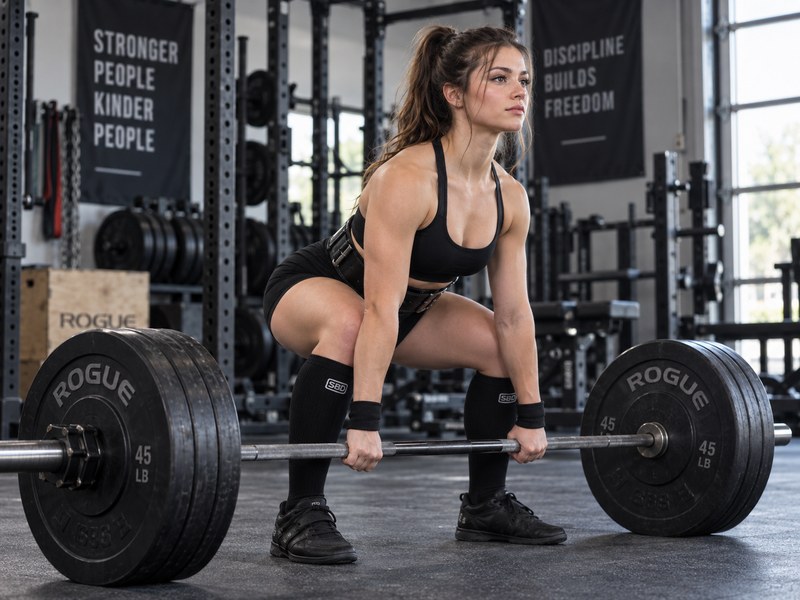
Supports lean muscle, strength, shape and functional movement.

The number on the scale does not tell the whole story. A better goal is to reduce excess body fat, build strength and feel confident when you look in the mirror.
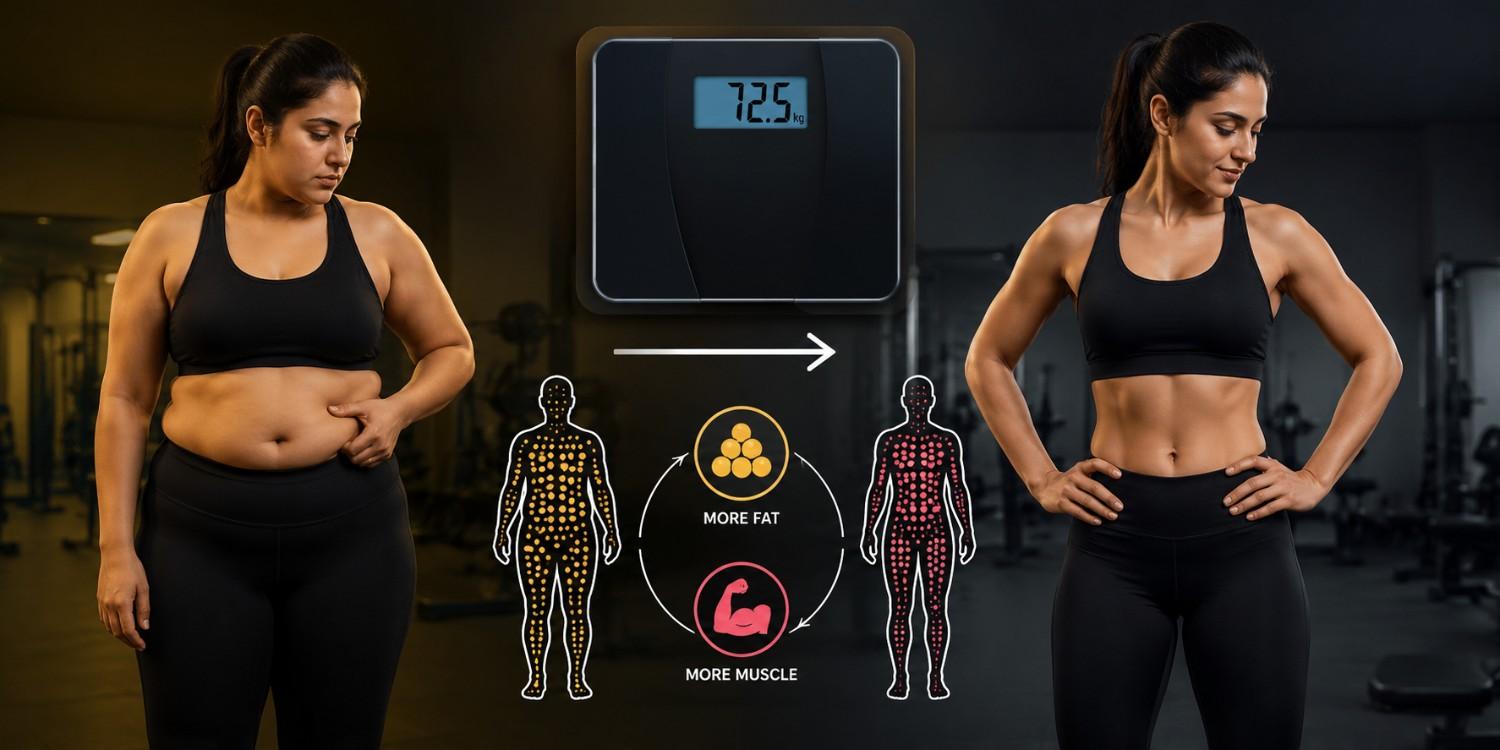
For many people, the real goal is not simply to weigh less. It is to feel healthier, move confidently, fit comfortably into clothes and like what they see in the mirror.
Scale weight can be useful, but it does not show how much of your body is made up of fat or lean tissue. This is why body composition often provides a more meaningful picture of progress.
“The goal is not always to become lighter. It is to become stronger, healthier and more confident.”
It is often said that muscle weighs more than fat. More accurately, muscle is denser than fat. A kilogram of muscle and a kilogram of fat weigh exactly the same, but the muscle occupies less physical space.
This means someone can look leaner, lose centimetres around the waist and fit into smaller clothing while their body weight remains stable—or temporarily increases.
| Measurement | What It Shows | Limitation |
|---|---|---|
| Scale weight | Your total body mass | Does not separate fat, muscle and water |
| Waist measurement | Changes around the abdominal area | Must be measured consistently |
| Clothing fit | Practical changes in body size | Varies between brands and garments |
| Strength and performance | Improvements in physical capacity | Does not directly measure body fat |
Body recomposition means reducing body fat while maintaining or building lean muscle. During this process, visual and measurement changes may be more noticeable than changes on the scale.
Muscle supports movement, strength and daily energy expenditure. Building or preserving it can make a fat-loss programme more effective and help create a firmer, more athletic appearance.
Endless cardio sessions are not the only route to fat loss. A balanced programme uses resistance training to develop muscle and cardiovascular exercise to support fitness, endurance and calorie expenditure.
Supports lean muscle, strength, shape and functional movement.
Supports heart health, stamina, work capacity and energy expenditure.
Support training quality, muscle recovery and long-term consistency.
Use progressive resistance exercises several times each week.
Include cardio and increase regular daily movement.
Eat enough protein and maintain a realistic calorie deficit.
Allow time for sleep, rest and adaptation between sessions.
Developing the muscular physique seen in professional bodybuilding usually requires years of specialised training, structured nutrition, genetic potential and deliberate muscle-building phases.
Regular strength training will not suddenly create extreme muscle size. For most people, it improves strength, posture, shape and confidence gradually.
A knowledgeable coach can help you select exercises, progress safely and build a plan around your starting level. However, be cautious of anyone promising dramatic transformations without time, effort or sustainable habits.
Effective professionals set realistic expectations, explain their methods and adapt training to your health, ability and lifestyle.
Do not allow one number on the scale to define your progress. Improvements in body measurements, strength, fitness, energy and confidence can be equally important.
Begin one step at a time. Train well, eat well, recover properly and remain consistent. There are no magical shortcuts, but repeated actions can create lasting results.
“Forget perfection. Start with one workout, one balanced meal and one better decision at a time.”
Yes. If you lose fat while gaining or maintaining muscle, your measurements and appearance may change even when scale weight remains similar.
Equal weights are equal, but muscle is denser and occupies less space than the same weight of fat.
No. Cardio supports fitness and energy expenditure. It is often most effective as part of a programme that also includes resistance training.
Significant muscle growth normally requires consistent specialised training and nutrition over a long period. Ordinary strength training will not create an extreme physique overnight.
Use a combination of weight trends, waist measurements, progress photos, clothing fit, strength and fitness improvements.
Progress varies according to your starting point, nutrition, training, recovery and genetics. Focus on sustainable habits rather than rapid promises.