
The 30+ Professional’s Guide to Not Losing Muscle While Building a Career
Muscle loss after 30 is not just about age. For many professionals, it is the slow loss of training, nutrition, sleep, and recovery habits that once protected their strength.
Key Takeaways
Introduction
There is a belief that quietly follows people into their thirties: “You’re getting older now. Muscle loss is inevitable.”
Age plays a role, but most professionals do not lose muscle just because they turn 30. They lose it because career success can gradually remove the habits that built muscle in the first place.
Meetings replace movement, work travel disrupts routines, sleep becomes negotiable, lunch gets pushed back, and workouts become “tomorrow’s problem.” The body usually notices before the schedule does.
The Hidden Career-Muscle Trade-off
The Challenge Is Logistics
For many professionals, the problem is not motivation. It is client calls, travel, traffic, late meals, and time pressure.
The Scale Can Mislead
It is possible to maintain the same body weight while losing muscle and gaining fat.
Body Composition Shifts
Many people first notice feeling tired, less resilient, and slower to recover before they notice a visible change.
Research Summary: NIH research notes that adults can lose approximately 3–8% of muscle mass per decade after age 30 if preventive measures are not taken.
Why Muscle Matters More Than Ever After 30
Healthy aging and muscle mass are often discussed as retirement-age concerns, but the reality starts much earlier.
“Muscle preservation starts looking less like a gym goal and more like something that affects how you work, move, recover, and age.”
Why Do Adults Lose Muscle After 30?
The answer is rarely one thing. Aging slightly reduces the body’s efficiency at building and maintaining muscle, but lifestyle factors usually accelerate the process.
Important: Sarcopenia prevention should not begin at 60. It should begin when professional responsibilities start crowding out recovery habits.
Building Muscle After 30 Isn’t Harder. It’s Less Forgiving.
Train Consistently
The basics still work, but inconsistency compounds faster when stress and poor sleep increase.
Eat Enough Protein
Protein intake for muscle maintenance becomes easier to neglect when meals become rushed or delayed.
Recover Well
Recovery and muscle growth become increasingly connected as sleep, stress, and work pressure change.
“Train consistently. Eat enough protein. Recover well.”
How Professionals Can Maintain Muscle While Working Full-Time
You do not need six weekly workouts and a perfect meal plan. Most professionals need a repeatable structure that survives real workdays.
1. Prioritize Strength Training
For most busy adults, 3–4 well-structured sessions weekly can support muscle preservation effectively.
2. Focus on Compound Lifts
Squats, deadlifts, rows, presses, and pull-ups deliver more value than scattered random exercises.
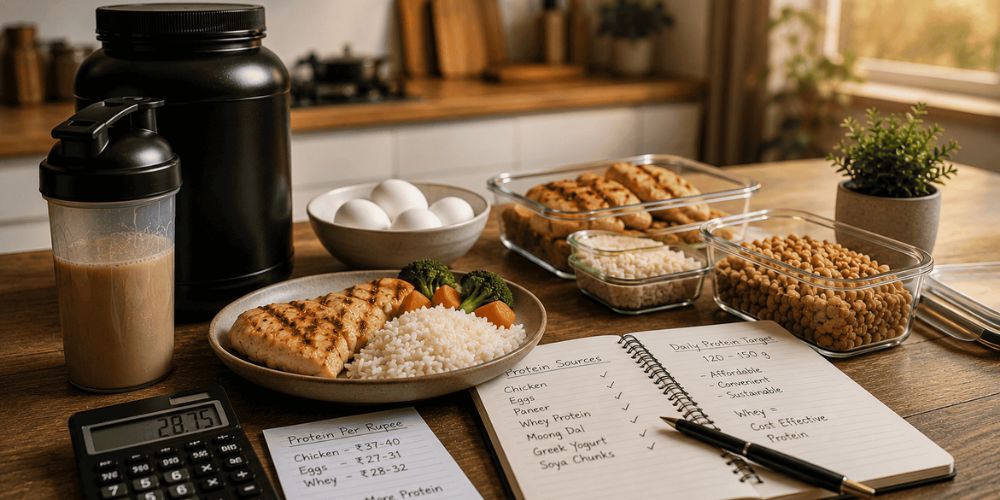
3. Protect Protein Intake
Skipped breakfasts, rushed lunches, and takeout dinners can quietly reduce daily protein intake.
How Much Protein Do You Need After 30?
| Person Type | Protein Target | Context |
|---|---|---|
| General adult baseline | 0.8 g/kg body weight | Harvard Health notes this as the general protein RDA. |
| Active professionals | 1.2–1.6 g/kg daily | Often used to support muscle growth or maintenance, depending on activity and goals. |
The challenge is rarely knowing protein matters. The real challenge is pulling it off on a random Wednesday when meetings run late, lunch happens at 4 PM, and the gym suddenly feels optional.
QNT Whey Protein Isolate
Can help close protein gaps on busy schedules, travel days, or post-workout windows without replacing food.
Explore Whey IsolateRecovery Is Where Many Professionals Fall Behind
Stress and Deadlines
Chronic work pressure can make physical adaptation harder even when training effort is high.
Screen Exposure and Poor Sleep
Insufficient sleep can affect recovery processes, hormone regulation, and performance.
Subtle Warning Signs
Heavier-feeling workouts, lingering soreness, and low energy may signal compromised recovery.
Best Practice: If you are serious about healthy aging and muscle mass, recovery deserves the same respect as training.
The Small Habit Stack That Creates Long-Term Results
Three Weekly Sessions
Keep strength training repeatable before trying to make it extreme.
Adequate Protein
Protect muscle maintenance by making protein intake consistent.
Reasonable Sleep
Sleep supports recovery, adaptation, and performance.
Consistent Movement
Daily movement helps counter long hours of sitting and inactivity.
For some professionals, adding a quality creatine supplement may complement a performance-focused routine when paired with training and nutrition.
Explore QNT Creatine RangeMuscle Maintenance Checklist for Professionals
Final Thoughts
The conversation around muscle loss after 30 is often framed incorrectly. Age matters, but lifestyle matters more.
Most professionals do not wake up one day and suddenly lose muscle. They gradually lose the behaviours that protected it. The encouraging part is that those behaviours are recoverable.
Muscle is not just about aesthetics. Think of it as retirement planning for your body. The deposits are small — an extra workout, more protein, better sleep — but the returns compound for decades.
FAQs
Q1. Why do adults lose muscle after 30?
Adults gradually lose muscle due to aging, lower activity levels, inadequate protein intake, stress, poor sleep, and inconsistent resistance training. Lifestyle factors often accelerate the process.
Q2. How can professionals maintain muscle while working full-time?
Prioritize 3–4 weekly strength-training sessions, maintain adequate protein intake, stay active throughout the day, and protect sleep quality.
Q3. How much protein do you need after 30?
Most adults need at least 0.8 g/kg body weight daily, while active individuals seeking muscle growth or maintenance often benefit from 1.2–1.6 g/kg depending on goals and training levels.
Q4. Is it harder to build muscle after 30?
Not necessarily. The fundamentals remain the same, but recovery, sleep, and consistency become increasingly important.
Q5. What is the best way to prevent muscle loss with age?
The most effective strategy combines resistance training, adequate protein intake, quality sleep, stress management, and consistent physical activity.
Sources & References
- Harvard Health — Protein Requirements: https://www.health.harvard.edu/blog/how-much-protein-do-you-need-every-day-201506188096
- Harvard Health — Building Better Muscle: https://www.health.harvard.edu/healthy-aging-and-longevity/building-better-muscle
- NIH / PubMed — Muscle Tissue Changes With Aging: https://pmc.ncbi.nlm.nih.gov/articles/PMC2804956/
- Cleveland Clinic — Sarcopenia: https://my.clevelandclinic.org/health/diseases/23167-sarcopenia
- NIH / PubMed — Dietary Protein and Muscle Mass: https://pmc.ncbi.nlm.nih.gov/articles/PMC6566799/